
Gas Detection Systems for University Research Labs
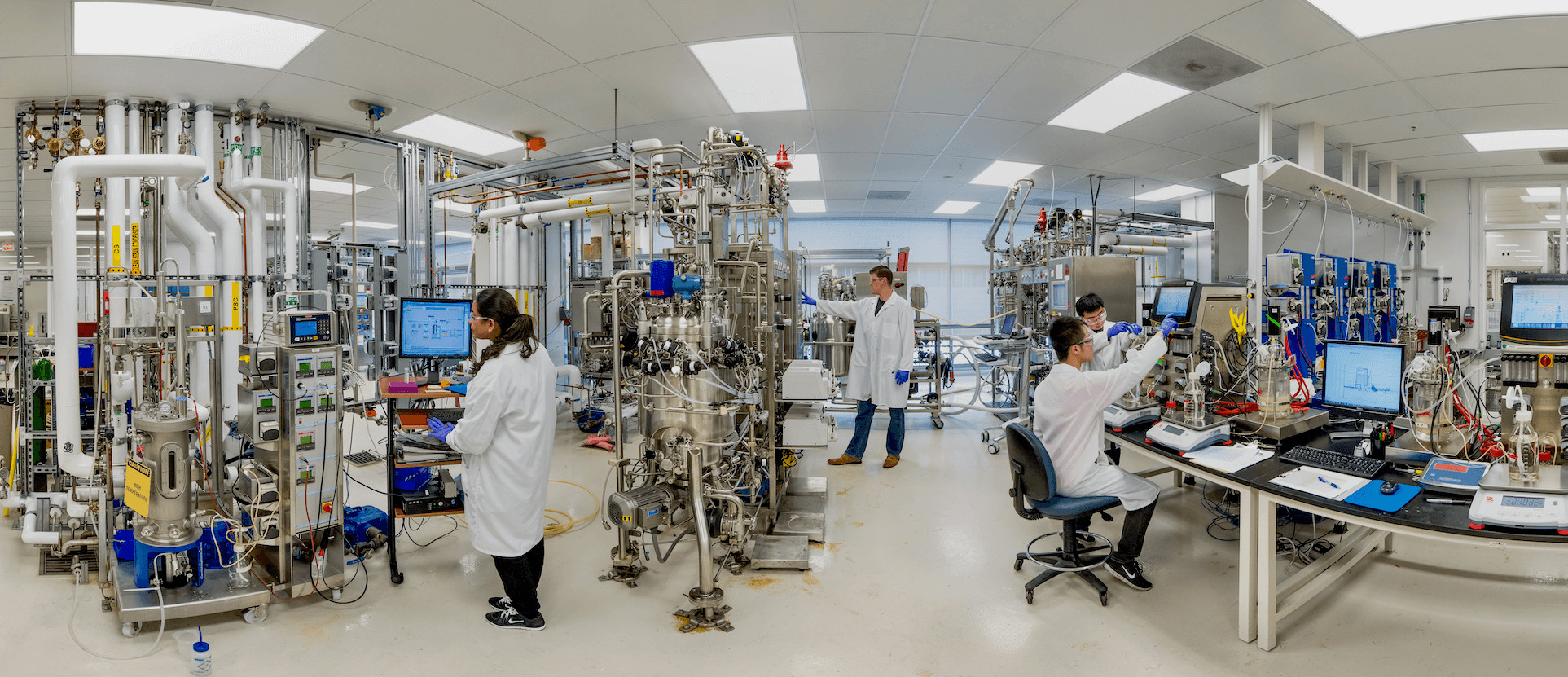
University research labs carry a hazard profile that most commercial facilities never approach: simultaneous handling of toxic, flammable, and asphyxiant gases across independent experiments, managed by a transient population of graduate students and visiting researchers who may have limited familiarity with the building’s safety infrastructure. For EHS directors and lab managers, that combination creates a monitoring challenge that off-the-shelf detectors were never designed to address. MDC Systems designs and installs integrated, code-compliant gas life safety systems built around the specific chemical inventories, ventilation configurations, and regulatory requirements of academic research environments.
Generic single-point detectors can identify only one gas type at a fixed threshold. This creates immediate vulnerability. Academic laboratories require coordinated, addressable systems that track multiple gas species across variable room configurations, integrate with building ventilation and emergency shut-off infrastructure, and generate the documentation trail required to satisfy institutional EHS audits and local AHJ reviews. The total cost of ownership calculation alters significantly when accounting for false alarms, recalibration downtime, and the expense of a system that cannot adapt as research programs evolve.
Academic laboratories concentrate volatile, toxic, and flammable materials at densities that demand continuous, automated monitoring. A slow leak in a confined lab space can escalate faster than manual response protocols allow, which is why integrated detection is an operational requirement, not an enhancement.
The Unique Gas Detection Challenges in University Research Labs
Academic research environments do not remain static. Hazards shift constantly. A chemistry department may run organic synthesis in one bay and cryogenic work in the adjacent space, with the layout reorganized the following semester. High researcher and student turnover intensifies this challenge: institutional knowledge about gas storage locations, ventilation configurations, and alarm thresholds does not transfer automatically when a lab cohort graduates. Automated, addressable detection systems absorb that variability because they do not depend on a researcher recognizing the early signs of a slow leak or remembering to check a portable monitor. The institutional liability dimension is similarly tangible: a documented, code-compliant monitoring system demonstrates due diligence in a way that informal arrangements cannot, and that distinction matters when an incident triggers an OSHA inspection or an insurance review.
Key Components of a Compliant Laboratory Gas Monitoring System
A well-engineered laboratory gas monitoring system integrates several interconnected layers: Every component must align.
- Sensor technology matched to hazard type: Electrochemical sensors for toxic gases like carbon monoxide and hydrogen sulfide, catalytic bead sensors for methane or hydrogen monitoring at the lower explosive limit, and infrared sensors for carbon dioxide and hydrocarbon detection where sensor poisoning is a concern in corrosive lab environments.
- Centralized controllers with addressable zones: A centralized panel mapping each sensor to a specific lab zone allows facilities teams to segregate alarms, track sensor health across the building, and generate the compliance logs EHS audits require.
- Localized alarms and automated relay outputs: Audible and visual alarms at the point of detection, wired to relay modules that trigger ventilation increases or gas manifold shut-offs.
- NIST-traceable calibration protocols: Calibration protocols standardized against NIST-traceable calibration gases are essential for maintaining sensor accuracy over time; drift in an uncalibrated sensor produces either false alarms or missed detections, neither of which is acceptable in an occupied lab.
- Structured GLSS maintenance services: GLSS maintenance services keep sensor performance and compliance documentation current between annual inspections.
Integrating Gas Detection with Laboratory Ventilation and Fume Hoods
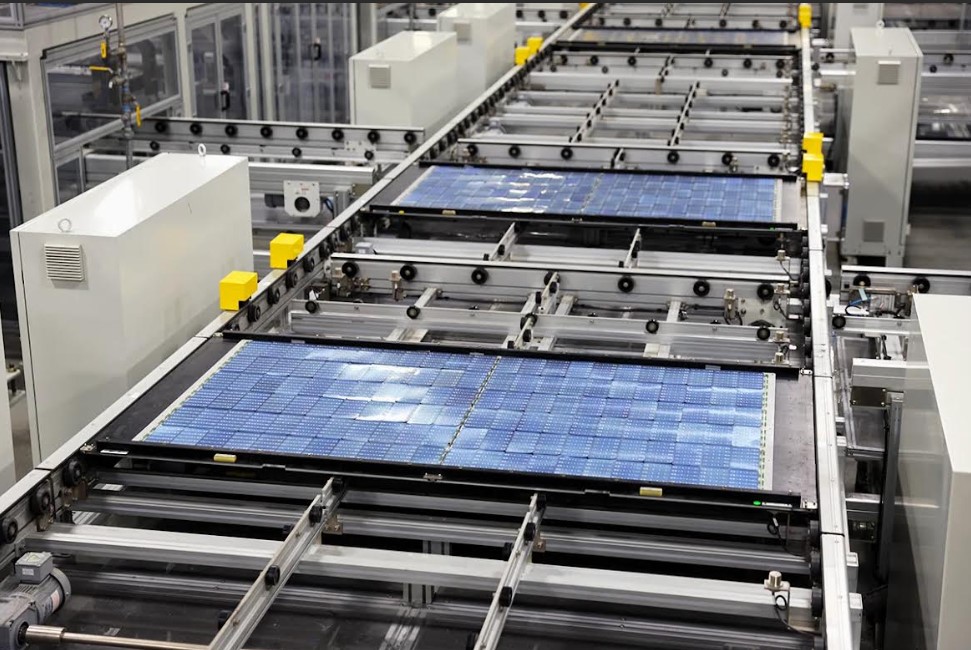
Fume hood gas detection integration moves a system from inactive alert to active mitigation. Response must be immediate. When a sensor detects a limit breach, a properly integrated system commands the building automation system to increase exhaust fan velocity, close HVAC dampers to prevent cross-zone contamination, and trigger gas manifold shut-off valves: all within seconds, without requiring human intervention. Advanced optical and fiber-based sensor technologies have extended detection limits for volatile organic compounds and methane, improving early-warning capability for gases that conventional electrochemical sensors struggle with at low concentrations, as detailed in the NIST fiber-based methane leak detection research.
Sensor placement follows gas physics. Methane and hydrogen, being lighter than air, accumulate near ceilings; heavier vapors like chlorinated solvents settle toward the floor and require low-mounted sensors. Lab managers sometimes raise the concern that a fixed sensor layout will become obsolete as research programs change. Modular, addressable architectures handle this directly: individual sensors can be relocated and additional nodes added to the network without replacing the central controller or rewiring the system from scratch.
MDC Systems: Over Three Decades of Proven Laboratory Safety Expertise
MDC Systems brings more than 30 years of gas life safety system experience to academic and research facility projects. Experience matters in safety. Factory-trained technicians, a track record of securing LEA-approved system designs, and standing as a licensed, bonded, and BBB A+ rated contractor provide institutional clients with a verifiable foundation for confidence. The total cost of ownership argument for a professionally engineered system becomes clear when weighed against the recurring costs of false alarms, sensor replacements resulting from improper calibration, and the project delays that accompany a design package that fails AHJ review.
University facilities in San Jose and the broader Santa Clara County region operate under the California Building Code, California Fire Code, and local hazardous materials ordinances that exceed federal minimums. Preparing a design package that anticipates AHJ comments, rather than reacting to them after submission, is where experienced local contractors deliver quantifiable value.
In one multi-disciplinary academic research facility engagement, MDC Systems designed a zoned, addressable gas detection network that mapped each research bay’s hazard profile independently, integrated with the existing building automation system, and produced a complete documentation package for LEA approval. That level of coordinated engineering is what custom gas life safety systems deliver across complex institutional environments.
Ensuring Regulatory Compliance and Power Resilience
University laboratories must align their chemical management and safety protocols with federal standards, including the frameworks established under CISA’s Chemical Facility Anti-Terrorism Standards (CFATS) for chemical facility security and hazardous material handling. Power continuity is a similarly vital design consideration: per CISA’s Resilient Power Best Practices for Critical Facilities, critical facility resilience depends heavily on redundant power supplies for monitoring infrastructure. A gas detection system that loses power during a utility outage provides no coverage during precisely the kind of disruption that elevates chemical hazard risk. Power failure disables protection.
Redundant power architecture, including UPS systems, generator-backed circuits, or battery-backed controllers, belongs in the initial system design rather than as an afterthought. A monitoring gap during a power event is an untenable condition for any facility managing hazardous materials.
Frequently Asked Questions About University Lab Gas Detection
Academic labs host diverse, rapidly shifting experiments that require adaptable detection systems capable of monitoring multiple gas types simultaneously. The hazard profile of a single room can shift significantly between research cycles, making fixed-threshold, single-gas detectors insufficient for the full range of exposures.
Integration operates at both the mechanical and electrical level. Both layers must coordinate. Sensor outputs connect to relay modules that command exhaust fan speed controllers and automated shut-off valves on gas manifolds. When a detection threshold is exceeded, the system responds without waiting for human intervention, which is critical when a researcher may not be present in the lab.
Localized sensors provide point-of-hazard detection at the source; centralized controllers aggregate that data, assign it to addressable zones, and generate the compliance logs facilities teams need for EHS reporting. In multi-disciplinary institutions, the prevailing discussion around this architecture tends to center on maintenance costs: centralized systems reduce calibration complexity by standardizing the controller interface even when sensor types vary across zones.
Calibration frequency depends on sensor technology and the chemical environment, but standardizing protocols against NIST-traceable calibration gas standards is the accepted method for maintaining accuracy over time. Factory-trained technicians performing scheduled calibrations also identify sensor degradation before it produces false negatives, which is a failure mode that carries more risk than a false alarm.
Facilities in San Jose operate under the California Building Code, California Fire Code Title 19, and Santa Clara County hazardous materials ordinances. These requirements govern storage quantities, ventilation rates, alarm setpoints, and signage. A design package prepared for LEA approval must address all three regulatory layers to avoid revision cycles that delay occupancy or operational permits.
Contact Us Today
If your institution is planning a new research facility, renovating an existing lab suite, or auditing a legacy detection system against current code requirements, MDC Systems is available to assess your full hazard profile and develop a documented, AHJ-ready solution. Reach the team in San Jose, CA at 408-370-5005.