
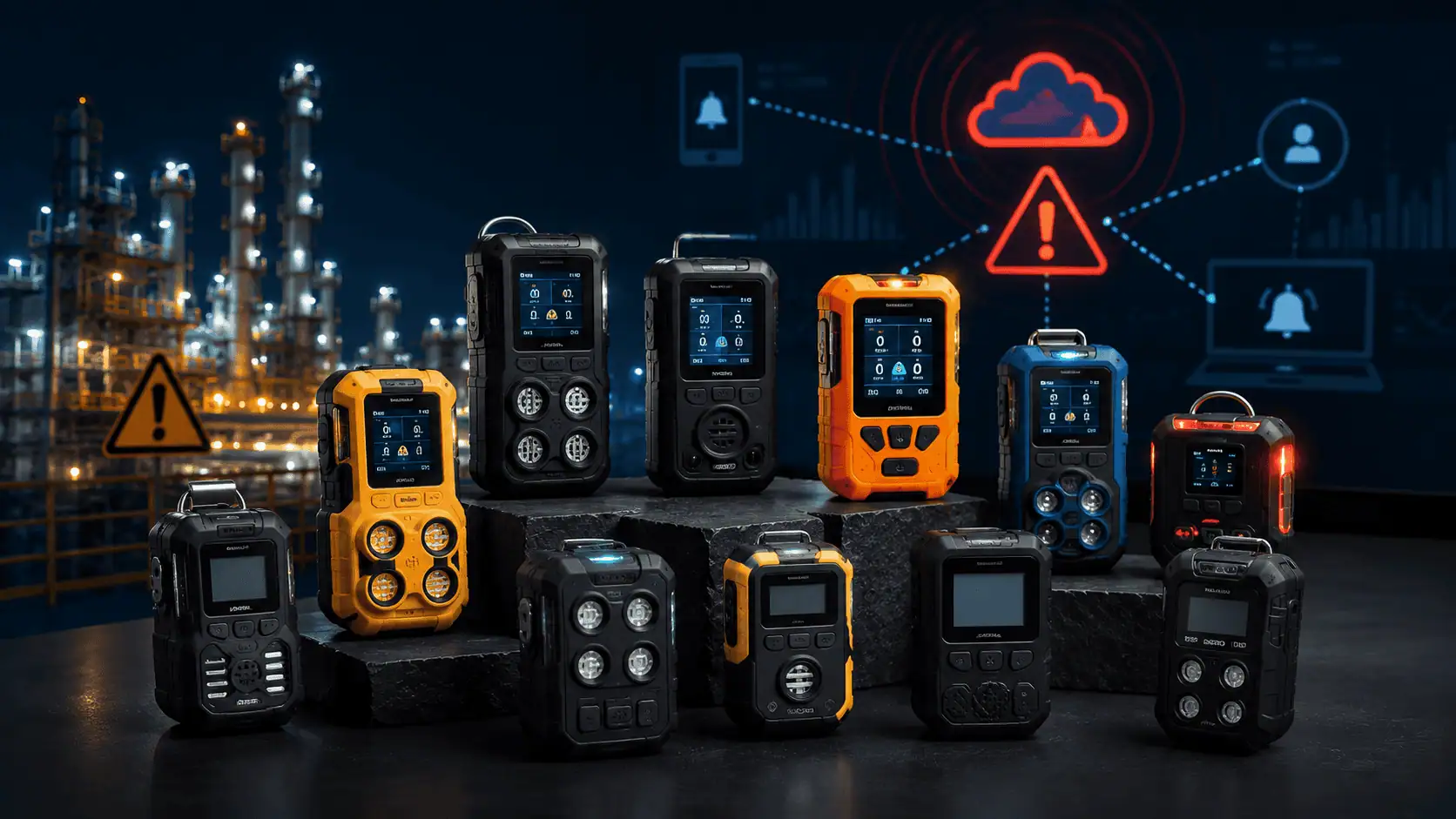
What Does PPM Stand For in Gas Detection? If you are responsible for workplace safety, facility management, environmental compliance, or industrial operations, you may be wondering, what does ppm stand for in gas detection? PPM stands for parts per million, a unit used to describe the concentration of a gas or vapor in the air.
READ MOREBlog
Blog
Tracer Gases Used for Leak Detection
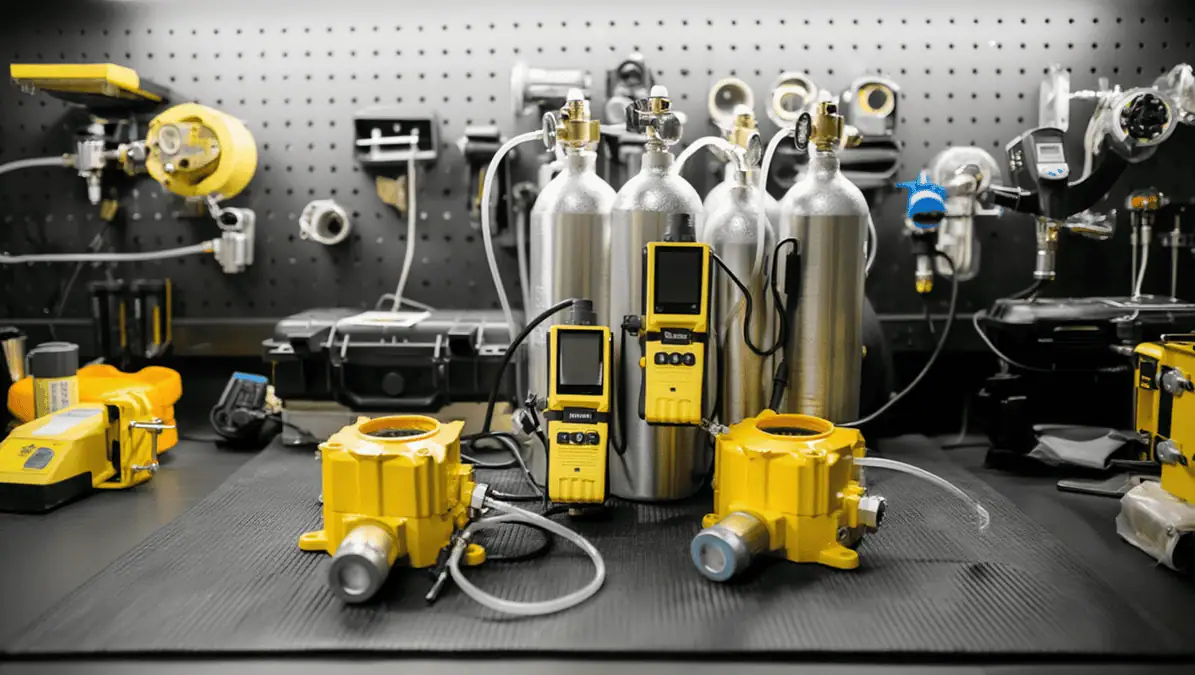
Tracer Gases Used for Leak Detection A tracer gas for leak detection provides a highly accurate way to locate leaks in sealed systems, pipelines, chambers, storage vessels, and industrial equipment. During testing, technicians introduce a detectable gas into the system and use specialized instruments to identify where that gas escapes. Because tracer gases can move
READ MOREPhotoionization Detector
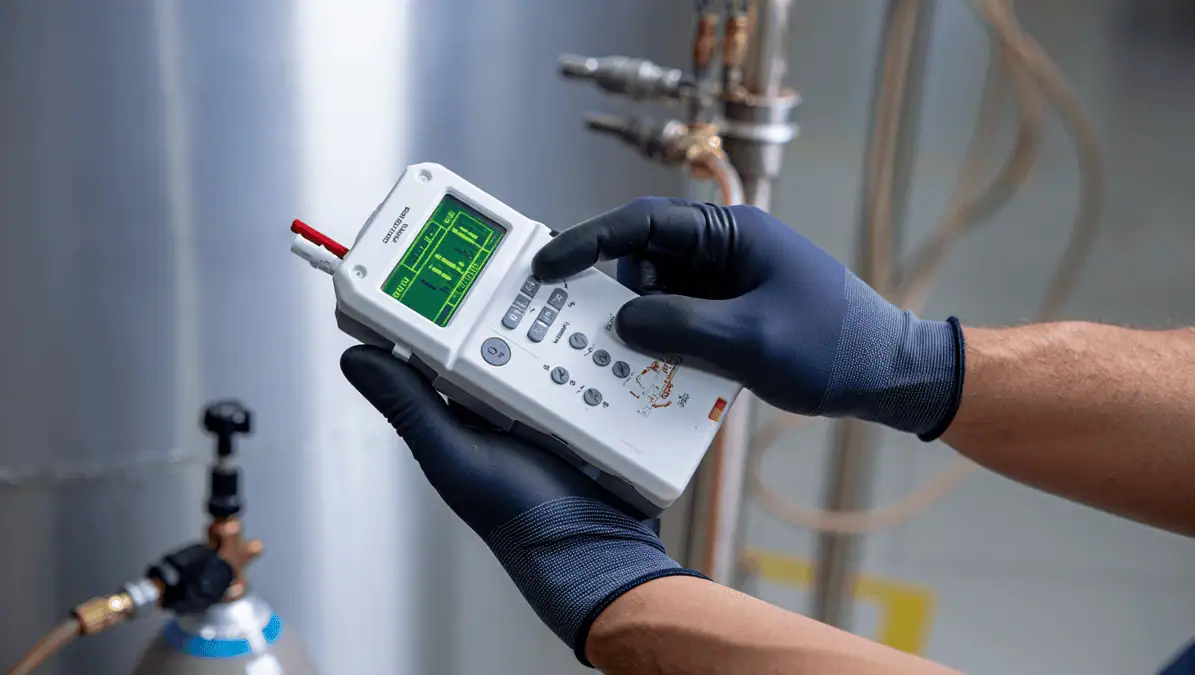
At MDC Systems, Inc., we help commercial and industrial facilities strengthen gas detection programs with reliable, accurate, and application-specific monitoring solutions. A photoionization detector is a valuable tool for identifying volatile organic compounds, commonly referred to as VOCs, and other hazardous vapors that may not be detected effectively by standard gas detection methods. When properly
READ MOREOSHA PEL (Permissible Exposure Limits) for Gases
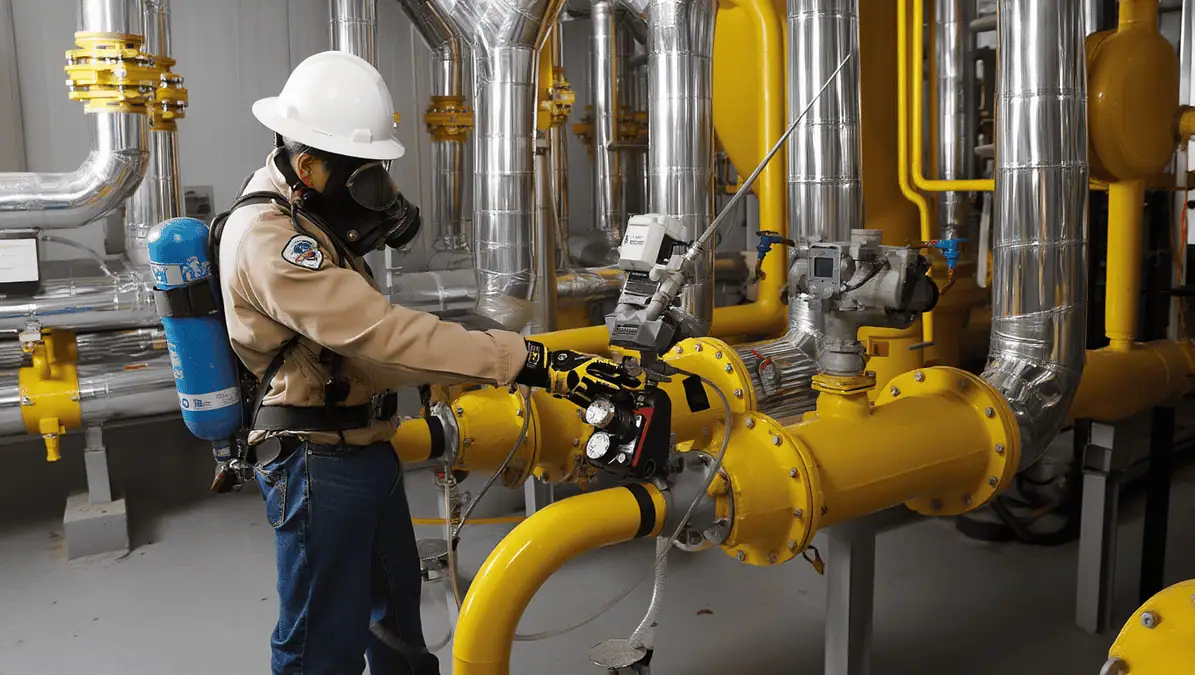
Understanding OSHA PEL requirements is essential for any facility where hazardous gases may be present. In commercial, industrial, laboratory, manufacturing, semiconductor, wastewater, energy, and specialty process environments, gas exposure can create serious risks for employees, contractors, visitors, equipment, and operations. Permissible Exposure Limits, commonly called PELs, are regulatory exposure limits established by the Occupational Safety
READ MOREWhat Gas Detection Devices Are Used For Confined Space Entry?
Confined spaces can present serious hazards, especially when oxygen levels are unsafe or toxic and combustible gases are present. That is why selecting the right gas detection devices for confined space entry is a critical part of protecting workers, maintaining compliance, and reducing operational risk. Whether the confined space is a tank, vault, pit, tunnel,
READ MORE