
Custom Gas Detection for Chemical Plant Safety and Compliance in San Jose
Chemical processing and storage facilities in San Jose carry a regulatory burden that most industrial sectors do not face. California Fire Code, Santa Clara County hazardous materials ordinances, and BAAQMD air quality rules each impose specific monitoring, documentation, and response requirements: a compliance gap in any one of them can trigger production shutdowns, personnel exposure events, or environmental release penalties. MDC Systems has spent over 30 years engineering Gas Life Safety Systems (GLSS) for these environments, supported by a local engineering team that understands the technical demands and jurisdictional specifics of operating in Santa Clara County.
Off-the-shelf gas detectors are built for general industrial use, not for the corrosive atmospheres common in chemical processing. Standard sensors fail here. Chlorine, hydrogen fluoride, and ammonia environments degrade standard electrochemical cells faster than their rated service intervals predict, producing sensor drift that reads as normal operation until a calibration check reveals the gap. MDC Systems’ factory-trained technicians, based in San Jose, CA, engineer custom GLSS configurations that account for process chemistry, airflow dynamics, and the specific gas species at your facility. Contact our team at 408-370-5005.
Facilities ready to move from reactive detection to engineered compliance can start with a gas life safety system design consultation scoped to your site’s regulatory profile and process hazards.
Challenges of Corrosive and Toxic Gas Monitoring in Chemical Facilities
Corrosive and toxic gas monitoring present distinct engineering problems that no single sensor technology resolves cleanly. No single sensor suffices. Electrochemical sensors provide the sensitivity required for toxic species, including carbon monoxide, hydrogen sulfide, hydrogen fluoride, and chlorine, but their electrolyte cells are vulnerable to the same corrosive atmospheres they monitor, accelerating degradation ahead of schedule. Infrared detectors offer greater durability for combustible hydrocarbon gases in corrosive environments, though cross-sensitivity to halogenated compounds can generate false readings when the system is not configured for the specific gas matrix present on site.
Surrogate gas calibration workflows address a related problem: many reactive or thermally unstable gases cannot be safely bottled for direct span calibration. MDC Systems applies chemically similar, stable analogs to verify sensor response for facilities handling gases where direct calibration is impractical, producing a documented protocol that holds up under regulatory scrutiny.
Key Gas Detection Requirements for Chemical Plants
A code-compliant detection system for a chemical facility needs to address several interdependent requirements:
- Continuous monitoring of the specific gas species present (including methane, oxygen, carbon monoxide, and ammonia) at concentrations relevant to both toxicity thresholds and LEL alarm setpoints.
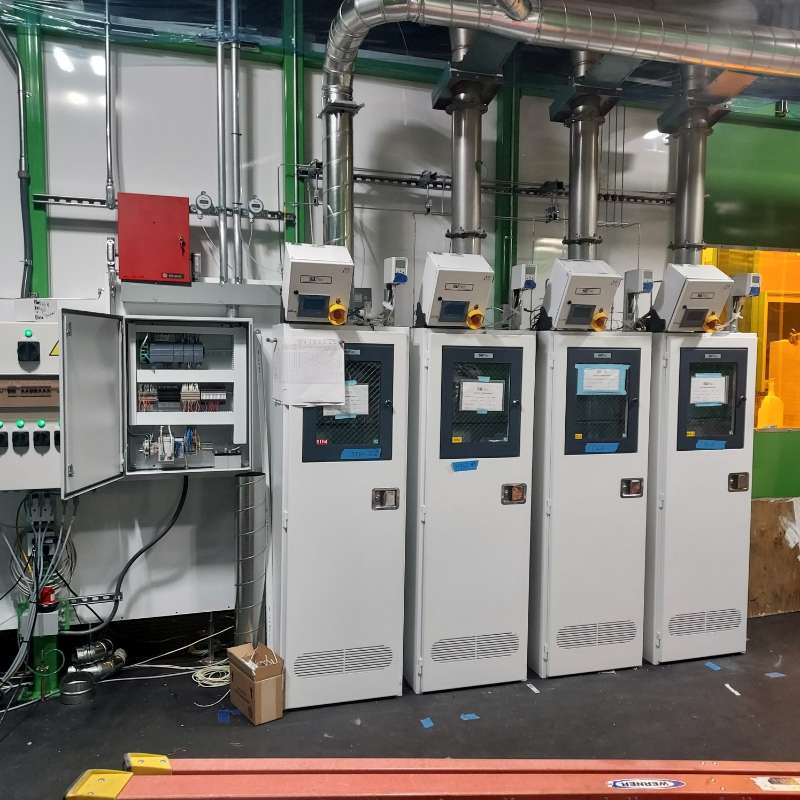
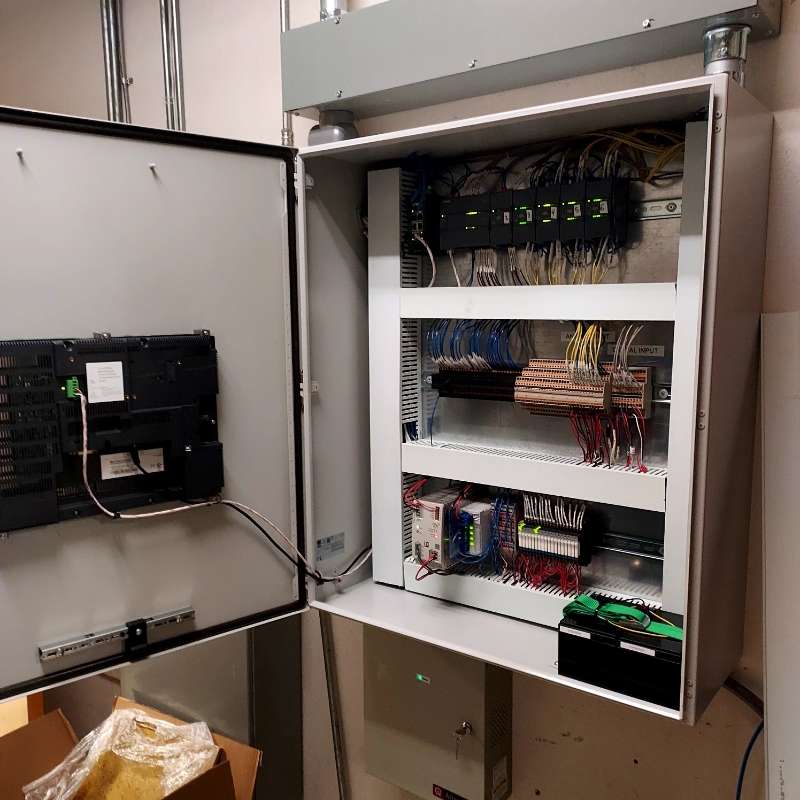
- Direct integration with existing SCADA, PLC, and HMI control systems to enable automated safety responses, including ventilation activation, process shutdowns, and alarm annunciation.
- Strategic sensor placement based on gas density and airflow patterns, with light gases like methane monitored near ceiling level and heavier toxic gases monitored closer to floor grade. Density dictates height.
- Scheduled calibration cycles that keep every sensor within its verified accuracy window and satisfy LEA-approved, code-compliant documentation requirements. Compliance requires documentation.
Protecting Infrastructure and Preventing Pipeline Leaks
Chemical transfer lines, raw material storage pump assemblies, and aging process piping are among the most exposure-prone assets in any chemical plant. Caustic stress corrosion cracking and sulfidation corrosion develop slowly, producing micro-leaks long before any visible structural failure occurs. Early detection is vital. Facilities managing transfer line integrity should evaluate gas pipeline leak detection capabilities alongside their fixed-area monitoring design.
Acoustic emission monitoring identifies the stress signatures of developing cracks before a leak forms, while infrared imaging detects temperature anomalies associated with early-stage corrosion and insulation breakdown. Combining both technologies with fixed-point gas detection creates a layered defense that addresses process safety and environmental compliance simultaneously. Redundancy prevents disaster.
Custom GLSS Engineering and Experience
MDC Systems has designed, installed, and maintained custom gas detection systems for over 30 years. Experience ensures reliability. The company is fully licensed, bonded, and BBB-accredited with an A+ rating, credentials that carry weight when system documentation is reviewed during a regulatory inspection or insurance audit. Factory-trained technicians manage the full scope of code interpretation, system design, and commissioning, eliminating the coordination overhead of managing multiple contractors on a single project.
Custom-engineered systems produce measurable lifecycle savings, offering fewer nuisance alarms, fewer emergency service calls, and longer sensor service intervals compared to generic installations. MDC Systems’ local San Jose team provides complete turnkey support from initial site survey through ongoing maintenance contracts. We handle everything.
Schedule a custom site audit and GLSS design proposal with MDC Systems in San Jose, CA. Call 408-370-5005 or request a consultation online.
Best Practices for Chemical Gas Monitoring and Maintenance
Detection reliability depends entirely on the calibration program behind it. Uncalibrated sensors fail. A sensor that passed its last bump test but has been exposed to corrosive process gases for months without a span calibration check may still read within tolerance, or it may not. Calibration frequency should reflect the actual chemical exposure at each monitoring point, not just the manufacturer’s standard recommendation.
Corrosive environments accelerate electrochemical cell degradation in ways that routine visual inspection will not catch. Visual checks are insufficient. Scheduled sensor replacement, timed to site-specific exposure conditions rather than a facility-wide fixed interval, keeps safety integrity levels defensible and avoids the compliance exposure that comes with an undocumented sensor failure.
Frequently Asked Questions About Chemical Plant Gas Detection
A combustible gas detector calibrated for methane is the standard device. In chemical plants, these are typically integrated into the main GLSS so alarm signals can trigger automated safety responses rather than relying on manual intervention.
20% LEL represents a combustible gas concentration equal to 20% of the Lower Explosive Limit, which is the minimum concentration at which the gas can sustain combustion in air. It serves as an early warning threshold that provides response time before concentrations reach a hazardous range.
Standard H2S detectors are configured for a measurement range of 0 to 100 ppm. Because hydrogen sulfide is acutely toxic well below that ceiling, alarm setpoints are typically established at IDLH and STEL thresholds rather than at the top of the measurement range.
Catalytic bead sensors and infrared (IR) sensors are the two primary technologies. Catalytic bead sensors are susceptible to poisoning by halogenated compounds and silicones, making IR the preferred choice in chemical processing environments where those contaminants are present.
Electrochemical, catalytic, infrared, and photoionization detectors (PID) each address distinct detection requirements. PIDs are suited for VOC monitoring, electrochemical cells dominate toxic gas applications, and IR sensors handle combustible hydrocarbon detection in corrosive environments.
Contact Us Today
Chemical plants in San Jose operate under compliance and safety requirements that demand purpose-built detection, not catalog hardware. Generic hardware fails. MDC Systems’ engineering team is ready to assess your facility’s gas detection gaps, design a system that satisfies California Fire Code and Santa Clara County requirements, and support it through its total lifecycle. Contact us at 408-370-5005 to schedule your site consultation. Call today.