
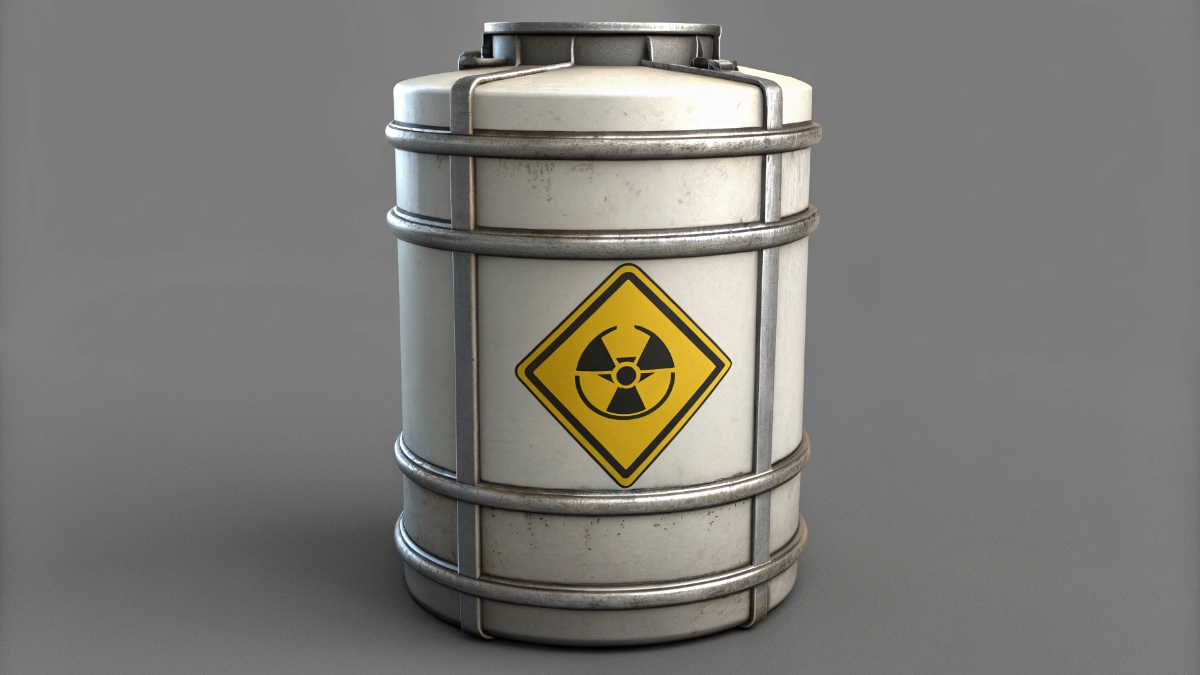
Hydrogen cyanide effects from a gas leak are among the most serious and fast-acting hazards encountered in industrial, commercial, and laboratory environments. Hydrogen cyanide is a highly toxic, colorless gas with a faint bitter almond odor that is not always detectable by humans. Because exposure can lead to rapid health deterioration and even fatal outcomes
READ MOREBlog
Blog
How to Check for a Gas Leak
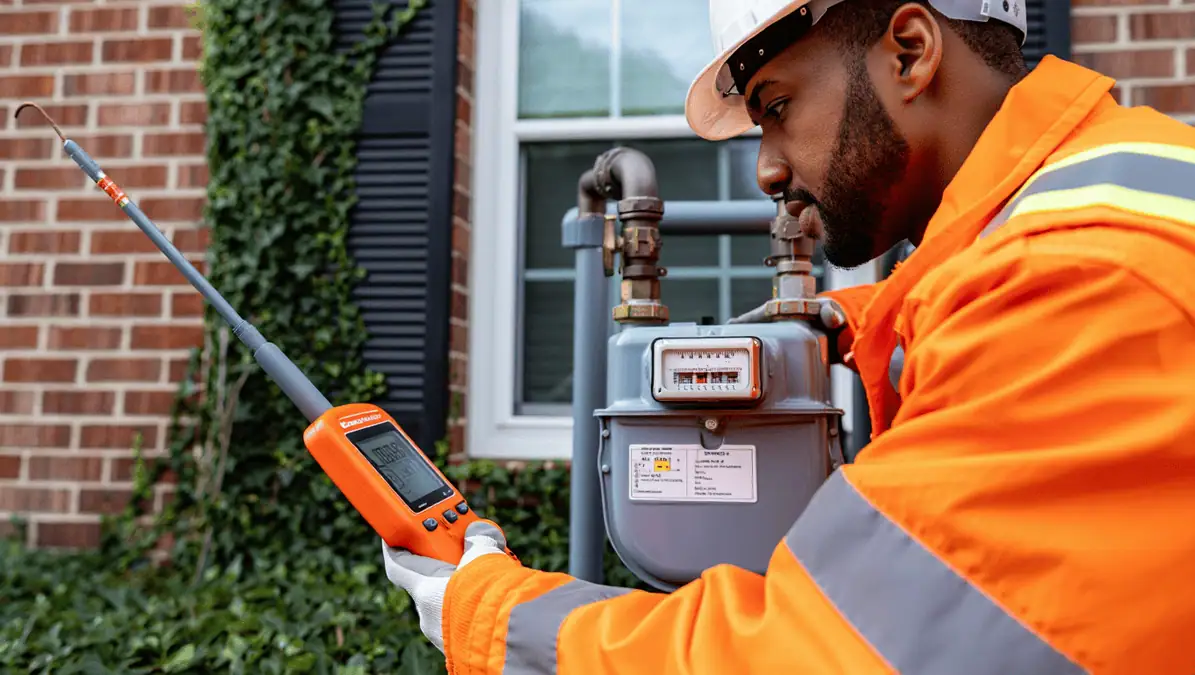
Knowing how to check for a gas leak is a critical part of protecting people, property, and operations in residential, commercial, and industrial environments. Gas leaks can pose serious risks, including fire, explosion, toxic exposure, equipment damage, and regulatory violations. Whether the concern involves natural gas, hydrogen, oxygen, nitrogen, specialty process gases, or toxic and
READ MOREHow to Detect a Gas Leak in Commercial & Industrial Buildings
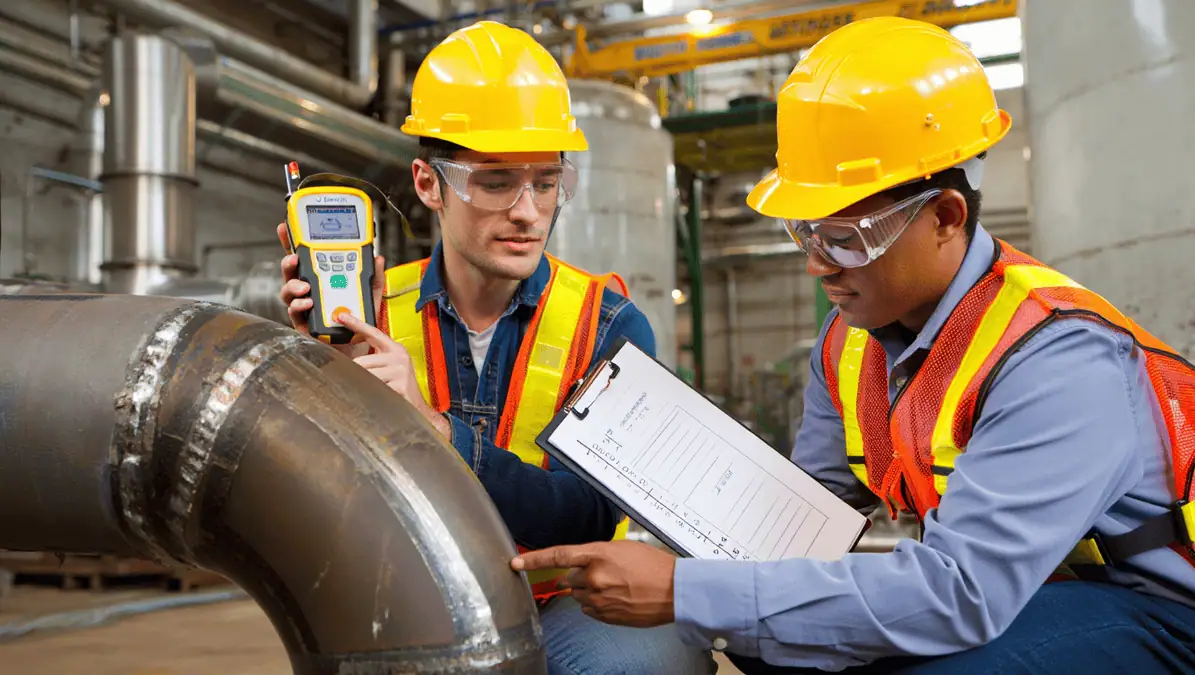
Understanding how to detect a gas leak is a critical responsibility for owners, facility managers, safety officers, and operations teams in commercial and industrial environments. Gas leaks can threaten life safety, damage expensive equipment, disrupt operations, and expose organizations to regulatory penalties and liability. Unlike residential settings, commercial and industrial buildings often use complex gas
READ MOREWhat Does a Gas Leak Smell Like?

A common question asked by facility managers, safety officers, and commercial building operators is “what does a gas leak smell like?” While it may seem like a simple inquiry, identifying the scent of a gas leak is often more complex and significantly more critical than people realize. Understanding Gas Odors, Detection, and Safety Natural gas
READ MOREGas Leak Symptoms: What Every Facility Should Know to Stay Safe
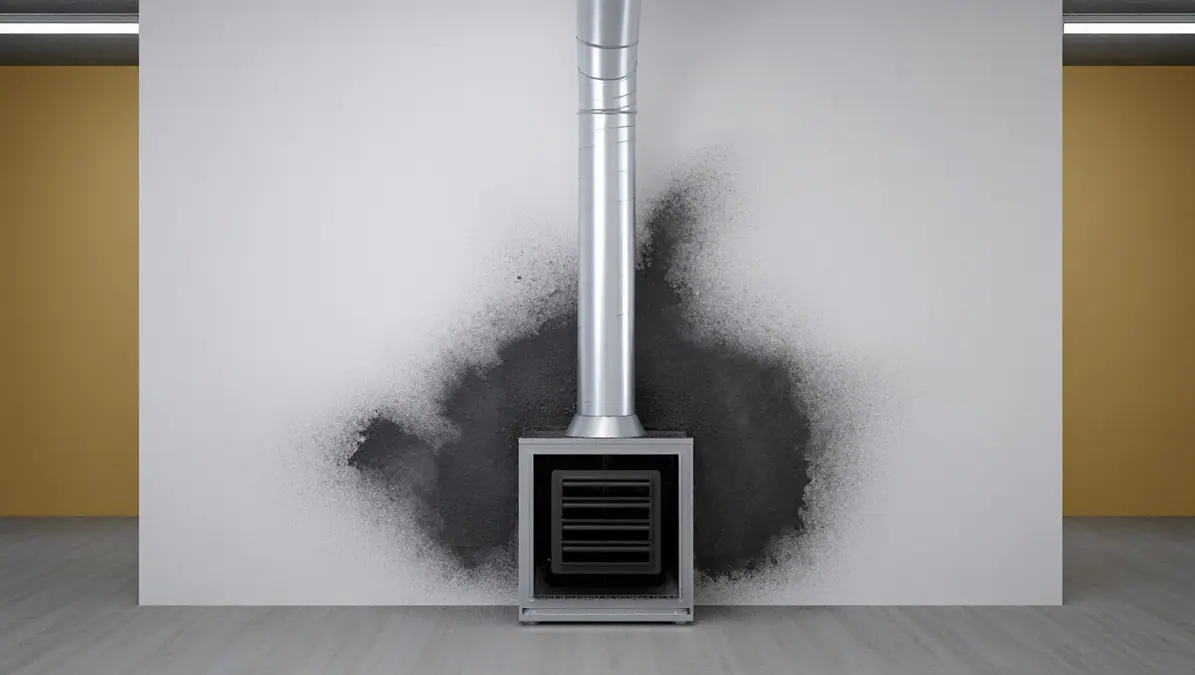
Gas leaks are among the most dangerous emergencies that can occur in commercial, industrial, and institutional environments. Whether your facility handles natural gas, toxic industrial gases, or combustible materials, the ability to recognize gas leak symptoms, both environmental and physical, is critical for maintaining a safe workplace. Even a minor leak can escalate quickly into
READ MORE