
Knowing how to check for a gas leak is a critical part of protecting people, property, and operations in residential, commercial, and industrial environments. Gas leaks can pose serious risks, including fire, explosion, toxic exposure, equipment damage, and regulatory violations. Whether the concern involves natural gas, hydrogen, oxygen, nitrogen, specialty process gases, or toxic and combustible gases, early detection and proper response are essential. This guide explains how to recognize the warning signs of a gas leak, the most reliable detection methods, and when professional gas life safety systems are necessary to ensure long term protection and compliance.
Why Gas Leak Detection Is So Important
Gas leaks are dangerous because many gases are invisible, odorless, and capable of accumulating quickly in enclosed or poorly ventilated spaces. Even gases that are not flammable can displace oxygen and create asphyxiation hazards. In industrial and commercial facilities, undetected leaks can disrupt operations, damage sensitive equipment, and lead to costly downtime or regulatory penalties.
The consequences of failing to detect a gas leak may include the following:
- Fire or explosion risks from combustible gases
- Health hazards from toxic gas exposure
- Oxygen deficiency hazards in confined spaces
- Equipment failure or corrosion
- Business interruption and financial losses
- Violations of local, state, or federal safety codes
Because of these risks, understanding how to check for a gas leak is not just a safety measure but a critical operational responsibility.
Common Signs of a Gas Leak
Before using tools or systems, it is important to recognize the most common indicators of a gas leak. Some warning signs are obvious, while others are subtle and easy to overlook.
Smell or Odor Changes
Many fuel gases, such as natural gas, are odorized with sulfur-like compounds to make leaks easier to detect. If you notice a strong smell similar to rotten eggs or sulfur, it may indicate a leak. However, not all gases have an odor, which is why relying solely on smell is not sufficient.
Physical Symptoms in Occupants
Exposure to leaking gases can cause symptoms that vary depending on the gas type and concentration. These may include:
- Headaches or dizziness
- Nausea or fatigue
- Eye, nose, or throat irritation
- Shortness of breath
- Confusion or disorientation
If multiple people experience similar symptoms in the same area, a gas leak may be present.
Unusual Sounds or Visual Indicators
Hissing, whistling, or blowing sounds near piping, valves, or equipment may indicate escaping gas. In some cases, you may also notice bubbling in liquids, dust blowing from a connection, or dead vegetation near outdoor gas lines.
Equipment or System Alarms
In facilities with gas detection systems installed, alarms or alerts are often the first indication of a problem. These systems are designed to detect leaks long before they become dangerous, which makes them one of the most reliable methods available.
Basic Methods for Checking for a Gas Leak
There are several ways to check for a gas leak, ranging from simple observational techniques to advanced detection technologies. The appropriate method depends on the environment, gas type, and level of risk.
Visual and Sensory Inspection
A basic inspection involves checking visible piping, fittings, regulators, and equipment for signs of wear, corrosion, or damage. While this method is easy to perform, it is limited in accuracy and should never be the only safety measure used.
Key limitations of visual inspections include:
- Inability to detect odorless gases
- Difficulty identifying small or slow leaks
- Dependence on human perception and experience
Soap Solution Testing
Soap solution testing involves applying a soapy liquid to joints and connections and watching for bubbles that indicate escaping gas. This method can be useful for small systems or spot checks, but is not practical for large or complex installations.
Considerations when using soap testing:
- It only works on accessible components
- It cannot monitor continuously
- It may miss leaks in concealed areas
Portable Gas Detectors
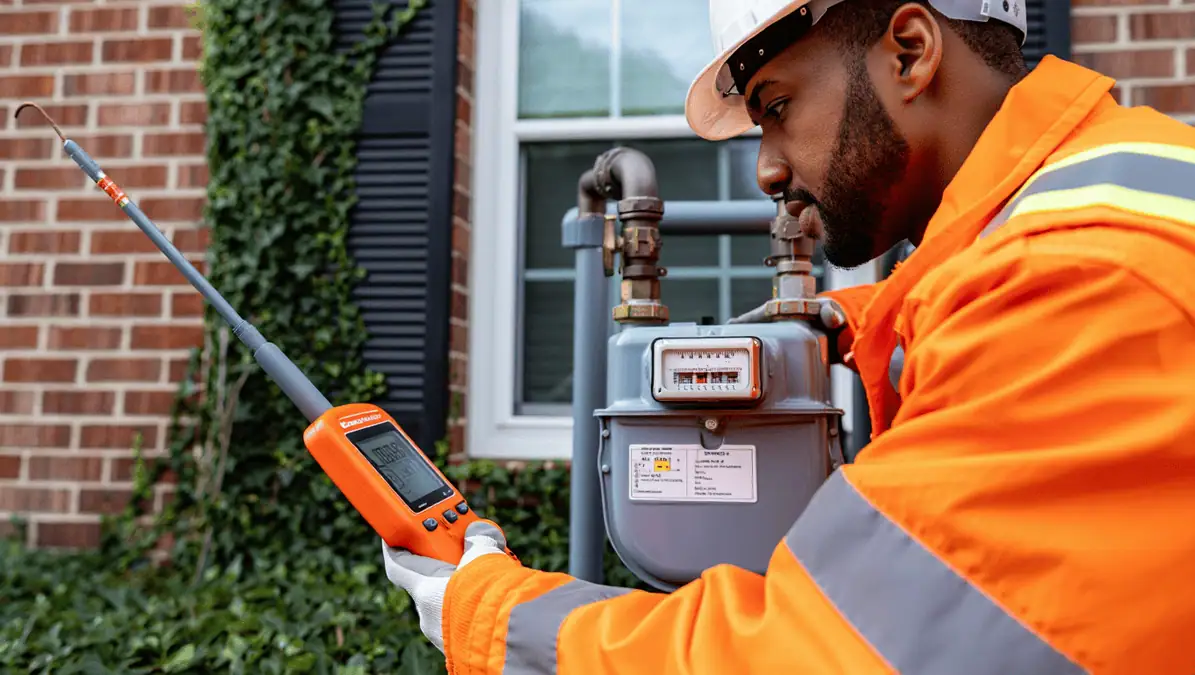
Handheld gas detectors are widely used to check for leaks in specific areas. These devices can detect combustible, toxic, or oxygen-deficient atmospheres depending on the sensor type.
Advantages of portable detectors include:
- Improved accuracy compared to manual methods
- Ability to detect odorless gases
- Flexibility for inspections and maintenance
However, portable detectors still rely on human action and do not provide continuous monitoring unless used as part of a structured inspection program.
The Role of Fixed Gas Detection Systems
For commercial and industrial facilities, fixed gas detection systems represent the most reliable and effective way to detect leaks. These systems are designed to continuously monitor air quality and gas concentrations in critical areas.
How Fixed Systems Work
Fixed gas detection systems use strategically placed sensors connected to controllers, alarms, and automation platforms. When gas concentrations exceed predefined thresholds, the system triggers alerts and can initiate automatic responses.
Typical system capabilities include:
- Continuous real-time monitoring
- Audible and visual alarms
- Integration with ventilation or shutdown systems
- SCADA and HMI interfaces for centralized control
- Data logging and compliance reporting
Benefits of Fixed Gas Detection Systems
Installing a permanent gas detection system offers several advantages over manual or portable methods:
- Faster leak detection and response
- Reduced reliance on human observation
- Improved safety for personnel and assets
- Enhanced regulatory compliance
- Lower long-term cost of ownership through prevention
These systems are especially critical in environments such as laboratories, manufacturing facilities, data centers, cleanrooms, and industrial plants.
Reliability and Cost of Ownership Considerations
When evaluating how to check for a gas leak, it is important to consider not just initial installation costs but long-term reliability and cost of ownership. A low-cost solution that fails or requires frequent maintenance can become far more expensive over time.
Key factors that influence reliability and ownership cost include:
- Sensor technology and lifespan
- Calibration and maintenance requirements
- System scalability and flexibility
- Integration with existing infrastructure
- Availability of replacement parts and support
A well-designed gas life safety system balances performance, durability, and maintainability, ensuring that safety objectives are met without unnecessary operational burden.
Equipment Lead Times and Project Planning
Another critical factor in gas leak detection is equipment lead time. Delays in sourcing sensors, controllers, or integration components can impact construction schedules, commissioning timelines, and regulatory approvals.
Effective project planning should address:
- Early system design and specification
- Selection of proven and readily available equipment
- Coordination with engineers, owners, and local enforcement agencies
- Factory testing and documentation prior to installation
Working with an experienced provider helps minimize delays and ensures that the system is delivered and commissioned on schedule.
When to Call a Professional
While basic checks can help identify immediate hazards, professional assistance is essential for comprehensive gas safety. If you suspect a leak, experience recurring alarms, or operate in a regulated environment, professional evaluation is critical.
Professional gas safety services typically include:
- System design and engineering
- Gas and sensor selection
- Installation and commissioning
- Testing and verification
- Calibration and maintenance programs
- Ongoing system management and support
These services ensure that detection systems perform as intended throughout their lifecycle.
Building a Proactive Gas Safety Strategy
Learning how to check for a gas leak is only one part of a broader safety strategy. Proactive organizations invest in systems and partnerships that reduce risk before incidents occur.
A strong gas safety strategy includes:
- Risk assessments based on gas type and usage
- Customized detection system design
- Clear response and evacuation procedures
- Regular training and drills
- Preventive maintenance and calibration
This approach protects people, facilities, and operations while supporting compliance and business continuity.
Partner With MDC Systems Inc. for Trusted Gas Safety Solutions
When it comes to gas safety, experience, reliability, and tailored solutions matter. At MDC Systems, Inc., we specialize in providing customized gas life safety systems designed to meet the unique needs of commercial and industrial businesses. With over 30 years of GLSS experience, our approach is driven by proven detection methods, system reliability, cost of ownership, and realistic equipment lead times.
Based in San Jose, California, MDC Systems has served the greater Bay Area since 2010 and now supports clients across the entire state and throughout the United States. We are a trusted resource for gas life safety systems, offering expertise in system design, engineering, testing, installation, SCADA and HMI development, and ongoing system management. Our in-house and factory-trained technicians are equipped with the specific gases and tools required to support calibration and maintenance, ensuring long-term performance and compliance.
We are fully licensed, bonded, and BBB accredited with an A plus rating, and we offer free estimates along with unparalleled customer service. Whether you need help determining how to check for a gas leak, designing a complete detection system, or maintaining an existing installation, MDC Systems delivers peace of mind, affordability, and performance you can trust.
Contact us today to discuss your gas detection and life safety needs and discover how a customized GLSS solution can protect your people, operations, and facilities.