
Gas detection and monitoring systems play a critical role in protecting workers, facilities, and equipment in commercial and industrial environments. These systems detect hazardous gases, toxic vapors, or oxygen deficiencies that could lead to health risks, equipment damage, or catastrophic incidents. However, gas detection equipment is only reliable if it is properly calibrated and maintained. This is where calibration gas becomes essential.
Understanding what calibration gas is used for helps organizations maintain accurate monitoring systems and ensure compliance with safety regulations. Calibration gas is a precisely prepared gas mixture used to verify and adjust the accuracy of gas detection instruments. Without proper calibration, sensors may drift over time and provide inaccurate readings, which could lead to unsafe conditions.
What Is Calibration Gas?
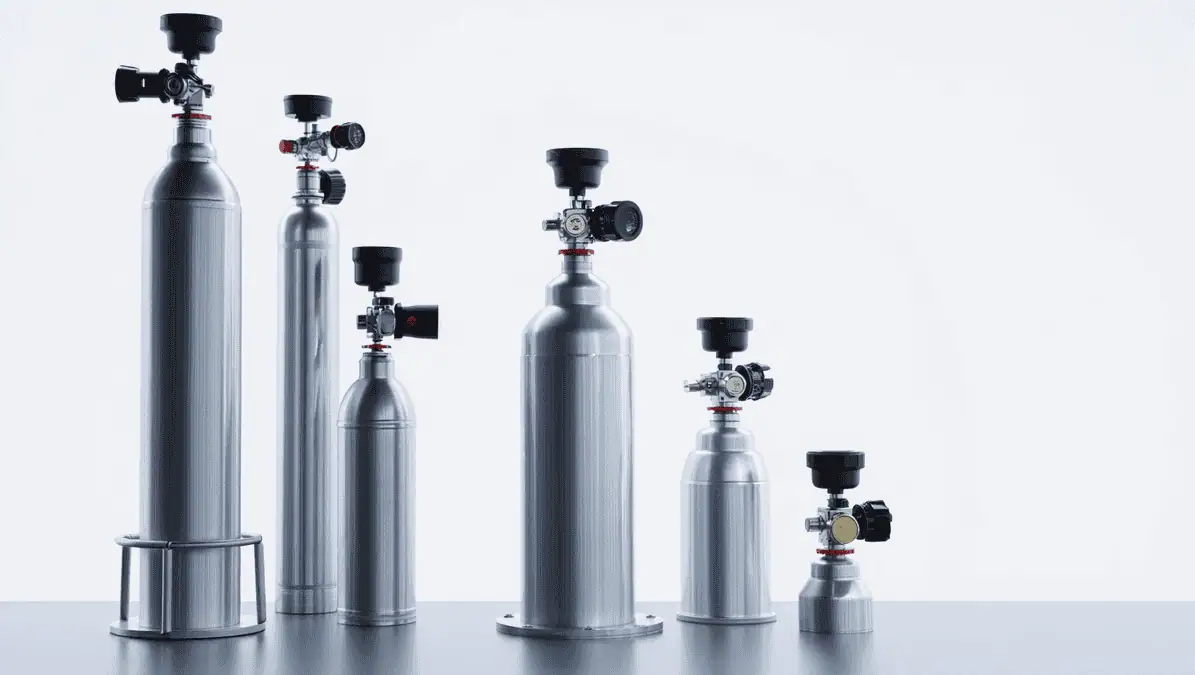
Calibration gas is a controlled mixture of gases stored in cylinders that contain known concentrations of specific gases. These mixtures are used to test and adjust gas detection equipment to ensure the sensors are accurately measuring the gases present in an environment.
Gas detectors measure gas concentrations in the air and alert users when levels exceed safe thresholds. Over time, sensors may experience drift due to environmental factors, aging components, or exposure to contaminants. Calibration gas allows technicians to verify whether a detector is reading correctly and adjust it if needed.
Calibration gas mixtures typically include a target gas combined with an inert balance gas such as nitrogen or air. The known concentration of the gas provides a reference point that allows instruments to be accurately calibrated.
Why Calibration Gas Is Important for Gas Detection Systems
Gas detection systems are designed to protect people and infrastructure from dangerous gas exposures. If the sensors that power these systems are inaccurate, the safety of an entire facility may be compromised.
Calibration gas helps ensure reliability and safety in several key ways.
Ensures Accurate Gas Detection
Gas sensors can drift over time, causing inaccurate readings. Calibration gas verifies that detectors measure gas concentrations correctly and adjusts them when necessary.
Protects Workers and Facilities
Accurate gas detection helps prevent accidents involving toxic gases, combustible gases, and oxygen displacement. Proper calibration ensures that alarms activate when hazardous conditions occur.
Supports Regulatory Compliance
Many industries are subject to strict safety standards and regulatory requirements related to gas monitoring. Calibration helps organizations remain compliant with guidelines from agencies such as OSHA and other safety authorities.
Maintains System Reliability
Routine calibration keeps monitoring equipment functioning properly. Regular verification helps detect faulty sensors before they fail during critical situations.
Extends Equipment Lifespan
Consistent calibration and maintenance can prolong the life of gas detection systems by identifying performance issues early.
Types of Calibration Gas Mixtures
Calibration gases are available in different formulations depending on the type of gas detection equipment being used and the specific gases that must be monitored.
Single Gas Calibration Mixtures
Single gas mixtures contain one target gas combined with a balance gas such as nitrogen or air. These mixtures are commonly used to calibrate detectors designed to measure a single gas.
Examples include:
- Carbon monoxide calibration gas
- Hydrogen sulfide calibration gas
- Methane calibration gas
- Oxygen calibration gas
Multi-Gas Calibration Mixtures
Multi-gas mixtures contain several gases in specific concentrations. These mixtures are often used with multi-gas detectors that monitor multiple hazards simultaneously.
Common combinations may include:
- Carbon monoxide
- Hydrogen sulfide
- Oxygen
- Combustible gases
Multi-gas calibration simplifies the calibration process by allowing multiple sensors to be tested at once.
Zero Gas
Zero gas is a gas mixture that contains no detectable concentration of the target gas. It is used to establish a baseline measurement during calibration.
Zero gas allows technicians to confirm that a detector reads zero when no gas is present.
How Calibration Gas Is Used
Calibration gas is used during routine maintenance and testing procedures for gas detection systems. The process ensures sensors measure gas concentrations accurately and respond appropriately to hazardous conditions.
Typical calibration procedures include the following steps.
Step 1: Applying Zero Gas
Technicians first expose the sensor to zero gas to confirm the baseline reading. If the detector does not read zero when exposed to a clean gas, adjustments are made.
Step 2: Applying Calibration Gas
A known concentration of calibration gas is introduced to the sensor. The instrument reading is compared with the known concentration of the gas.
Step 3: Adjusting the Sensor
If the reading differs from the expected value, technicians adjust the detector so that it matches the known concentration.
Step 4: Verifying the Calibration
After adjustments are made, the calibration gas is applied again to confirm that the detector now reads accurately.
This process ensures the sensor is properly calibrated and ready to detect hazardous gases.
Bump Testing Versus Full Calibration
Two common testing methods are used to verify gas detector performance.
Bump Testing
A bump test is a quick check that confirms the detector responds to gas exposure and triggers alarms properly. The sensor is briefly exposed to calibration gas to verify functionality.
Bump tests are typically performed daily or before equipment use.
Full Calibration
Full calibration involves adjusting the sensor to match the known gas concentration. This procedure is more thorough and usually performed on a scheduled maintenance basis.
Full calibration may occur monthly, quarterly, or according to manufacturer guidelines.
Both bump testing and calibration are important components of a comprehensive gas safety program.
Industries That Rely on Calibration Gas
Many industries depend on gas detection systems to maintain safe working environments. Calibration gas ensures those systems operate reliably.
Manufacturing and Industrial Facilities
Manufacturing plants may use gases for production processes or encounter hazardous byproducts. Gas monitoring systems detect leaks or unsafe concentrations.
Semiconductor and Electronics Manufacturing
Facilities involved in semiconductor production use specialty gases that require continuous monitoring to protect workers and equipment.
Oil and Gas Operations
Gas detection systems monitor combustible and toxic gases during extraction, refining, and transportation processes.
Laboratories and Research Facilities
Laboratories often work with compressed gases and chemical compounds that require precise monitoring.
Wastewater Treatment Plants
These facilities monitor gases such as hydrogen sulfide and methane that can pose safety risks.
Food Processing and Cold Storage
Carbon dioxide and ammonia refrigeration systems require gas detection systems to ensure safe operation.
Factors That Affect Calibration Gas Accuracy
Calibration gas must be stored and used properly to ensure it maintains its intended concentration and reliability.
Several factors influence calibration accuracy.
Gas Cylinder Shelf Life
Calibration gas cylinders have a limited shelf life. Over time, gas concentrations may change, particularly in reactive mixtures.
Proper Storage Conditions
Extreme temperatures and improper storage can affect the stability of calibration gas mixtures.
Regulator and Flow Control
Proper regulators and flow rates must be used to deliver the gas to the sensor correctly during calibration.
Equipment Compatibility
Calibration gases must match the sensor specifications and required gas concentrations recommended by the manufacturer.
Following best practices ensures calibration procedures remain accurate and effective.
The Role of Calibration in Gas Life Safety Systems
Gas Life Safety Systems (GLSS) rely on accurate sensors to protect buildings, workers, and equipment from hazardous gases. Calibration gas is an essential part of maintaining these systems.
When sensors drift or malfunction, the system may fail to alert occupants about dangerous conditions. Routine calibration ensures the system performs as designed and continues to meet safety requirements.
A properly designed GLSS includes ongoing maintenance, calibration schedules, and monitoring procedures to ensure consistent performance.
Benefits of Professional Calibration and Maintenance
While some facilities conduct basic testing internally, professional calibration and maintenance services provide several advantages.
Expert Knowledge
Certified technicians understand the specific gas hazards and equipment requirements for different industries.
Accurate Equipment Setup
Professionals ensure calibration gas mixtures and equipment are compatible with the installed sensors.
Comprehensive System Testing
Experts evaluate the entire gas detection system, not just individual sensors.
Documentation and Compliance Support
Professional maintenance services provide documentation required for inspections and regulatory compliance.
Partnering with experienced technicians helps organizations maintain reliable gas safety systems.
FAQs
What is calibration gas used for?
Calibration gas is used to test and adjust gas detection equipment so it accurately measures the concentration of gases in an environment.
How often should gas detectors be calibrated?
Most manufacturers recommend calibration every one to three months, although frequency may vary depending on the environment and regulatory requirements.
What is the difference between a bump test and calibration?
A bump test verifies that a gas detector responds to gas exposure, while calibration adjusts the sensor to match a known gas concentration.
Can calibration gas expire?
Yes. Calibration gas cylinders have expiration dates because the gas concentration may change over time.
Why is calibration important for safety systems?
Calibration ensures gas detectors provide accurate readings so alarms activate when hazardous gas levels are present.
Trust MDC Systems, Inc. for Reliable Gas Life Safety Solutions
Understanding what calibration gas is used for highlights how critical accurate gas detection is to workplace safety. Calibration ensures monitoring systems function properly, protecting personnel, facilities, and operations from hazardous gas exposure.
At MDC Systems, Inc., we specialize in delivering customized Gas Life Safety Systems designed to meet the unique needs of commercial and industrial facilities. With more than 30 years of GLSS experience, our team provides comprehensive services that prioritize reliability, cost effectiveness, and safety.
Our expertise includes:
- Gas detection system design and engineering
- Equipment selection and system integration
- I/O functionality, SCADA, and HMI development
- Professional installation and system testing
- Calibration, maintenance, and long-term system management
Based in San Jose, California, MDC Systems has served the greater Bay Area since 2010 and now supports clients throughout the entire State of California and across the United States. Our in-house and factory-trained technicians are equipped with the specialized gases and tools required to perform accurate calibration and maintenance services.
We are fully licensed, bonded, and BBB accredited with an A+ rating. Our team is committed to delivering LEA and owner-approved systems that meet the highest safety and performance standards while maintaining cost efficiency and reasonable equipment lead times.
If your organization needs expert support with gas detection system design, installation, calibration, or maintenance, MDC Systems is ready to help.
Contact us today to request a free estimate and learn how our tailored Gas Life Safety Systems can help protect your people, your facility, and your operations. When it comes to gas safety, MDC Systems delivers the reliability and peace of mind you can trust.