
Gas leaks are one of those hazards that often go unnoticed until they become serious. In many environments, gases are colorless, odorless, and invisible, which means you cannot rely on your senses alone to identify a problem. That is exactly why gas detection technology exists. If you have ever wondered what detects a gas leak, the answer lies in a range of specialized instruments designed to identify even the smallest changes in air composition.
From industrial facilities and laboratories to commercial buildings and confined spaces, gas detection systems play a critical role in maintaining safety, preventing accidents, and ensuring compliance with regulations. As a team that works closely with gas detection technologies every day, we know how important it is to understand not just that these tools exist, but how they work and which ones are right for your environment.
Let’s take a closer look at what detects a gas leak, the types of systems available, and how to choose the right solution.
Why Gas Leak Detection Is So Important
Before diving into the technology, it is worth understanding why gas detection is such a critical part of safety planning.
Gas leaks can lead to:
- Fire or explosion risks from combustible gases
- Health hazards from toxic gases
- Oxygen deficiency in enclosed spaces
- Environmental and regulatory concerns
The challenge is that many gases cannot be detected without equipment. Even gases with strong odors, such as natural gas, may not always be noticeable in time to prevent harm.
That is where detection systems come in. They continuously monitor the environment and provide early warnings, allowing you to take action before a situation escalates.
What Detects a Gas Leak?
At the most basic level, gas leaks are detected by gas detection instruments. These devices are designed to sense the presence and concentration of specific gases in the air.
Gas detectors can be categorized into two main types:
- Portable gas detectors
- Fixed gas detection systems
Each serves a different purpose, but both are essential in creating a comprehensive safety strategy.
Portable Gas Detectors
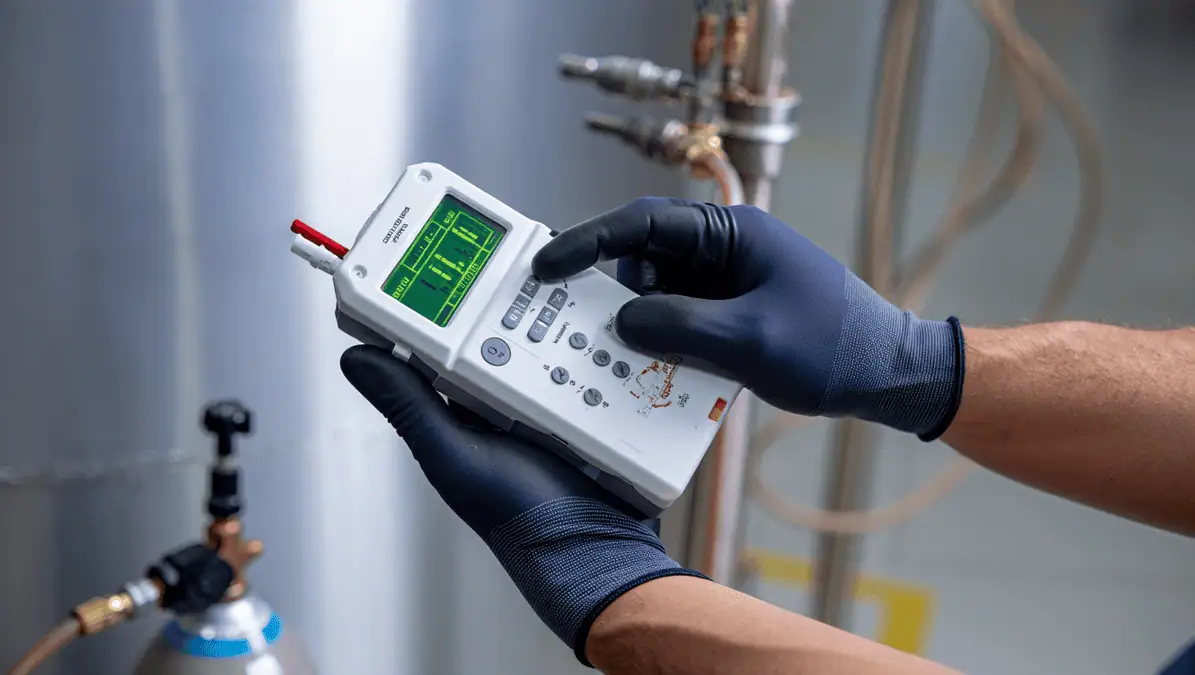
Portable gas detectors are handheld or wearable devices that allow individuals to monitor gas levels in real time.
How They Work
These devices use built-in sensors to measure gas concentrations in the surrounding air. If levels exceed safe thresholds, the device alerts the user through alarms, lights, or vibrations.
Common Uses
Portable detectors are often used for:
- Confined space entry
- Maintenance and inspection work
- Emergency response situations
They provide flexibility and immediate feedback, making them a critical tool for workers in dynamic environments.
Advantages
- Easy to carry and use
- Real-time monitoring
- Immediate alerts
Portable detectors are often the first line of defense when it comes to personal safety.
Fixed Gas Detection Systems
Fixed systems are installed in specific locations to provide continuous monitoring of an area.
How They Work
Sensors are placed in strategic locations where gas leaks are most likely to occur. These sensors are connected to a central control panel that monitors gas levels and triggers alarms if necessary.
Common Applications
Fixed systems are commonly found in:
- Industrial facilities
- Chemical plants
- Laboratories
- Storage areas
Advantages
- Continuous, automated monitoring
- Integration with alarms and safety systems
- Coverage of large or high-risk areas
Fixed systems are essential for environments where constant monitoring is required.
Types of Sensors Used in Gas Detection
The heart of any gas detection system is the sensor. Different sensors are designed to detect different types of gases, and each operates using a specific technology.
Electrochemical Sensors
These sensors are commonly used to detect toxic gases such as carbon monoxide or hydrogen sulfide.
They work by generating an electrical signal through a chemical reaction between the gas and the sensor.
Catalytic Bead Sensors
Used for detecting combustible gases, these sensors measure heat changes caused by gas oxidation.
They are widely used in environments where flammable gases are a concern.
Infrared Sensors
Infrared sensors detect gases by measuring how they absorb light at specific wavelengths.
They are particularly effective for hydrocarbons and carbon dioxide and are known for their stability and accuracy.
Photoionization Detectors (PID)
PID sensors are used for detecting volatile organic compounds (VOCs) at very low concentrations.
They use ultraviolet light to ionize gas molecules and measure the resulting current.
Metal Oxide Sensors
These sensors detect gases by measuring changes in electrical resistance.
They are durable and capable of detecting a wide range of gases, though they may be less selective.
Gas Detection by Gas Type
Different gases require different detection methods, which is why selecting the right sensor is so important.
Combustible Gases
Examples include methane, propane, and hydrogen.
Detection typically uses:
- Catalytic bead sensors
- Infrared sensors
These systems focus on identifying explosive risks.
Toxic Gases
Examples include carbon monoxide, ammonia, and hydrogen sulfide.
Detection often relies on:
- Electrochemical sensors
These systems are designed to protect human health.
Oxygen Levels
Oxygen deficiency or enrichment can be dangerous in confined spaces.
Detection uses specialized sensors that monitor oxygen concentration directly.
How Gas Detectors Alert You to a Leak
Gas detectors are designed to provide clear, immediate alerts when gas levels exceed safe limits.
Types of Alerts
- Audible alarms
- Visual indicators such as flashing lights
- Vibrations for wearable devices
In fixed systems, alerts may also trigger:
- Ventilation systems
- Shutdown procedures
- Emergency notifications
These layered responses help ensure that leaks are addressed quickly and effectively.
Choosing the Right Gas Detection Solution
Understanding what detects a gas leak is only part of the equation. Choosing the right system requires careful consideration of your specific needs.
Identify the Gases Present
Start by determining which gases are present in your environment and their potential risks.
Evaluate the Environment
Consider factors such as:
- Temperature and humidity
- Ventilation conditions
- Potential sources of interference
Determine Coverage Needs
Decide whether you need portable detectors, fixed systems, or a combination of both.
Consider Maintenance Requirements
Regular calibration and maintenance are essential for accurate performance.
Selecting a system that aligns with your operational capabilities helps ensure long-term reliability.
Common Mistakes to Avoid
Over the years, we have seen a few common mistakes when it comes to gas detection.
- Using the wrong type of sensor for the gas
- Skipping regular calibration
- Relying solely on portable detectors in high-risk areas
- Failing to properly position fixed sensors
Avoiding these pitfalls can make a significant difference in system effectiveness.
The Role of Calibration in Gas Detection
Even the best detection system requires regular calibration to maintain accuracy.
Calibration involves exposing the detector to a known concentration of gas and adjusting it as needed.
This ensures:
- Accurate readings
- Reliable performance
- Compliance with safety standards
Without proper calibration, detectors can drift and provide misleading information.
Building a Complete Gas Safety Strategy
Gas detection is just one part of a broader safety approach.
A complete strategy includes:
- Proper equipment selection
- Routine maintenance and calibration
- Employee training
- Emergency response planning
When all of these elements work together, you create a safer and more controlled environment.
Protecting Your Environment Starts With the Right Detection System
Gas leaks are not something you want to leave to chance. Understanding what detects a gas leak and implementing the right systems can make all the difference in preventing accidents, protecting people, and maintaining compliance.
At MDC Systems, Inc., we work with clients across a wide range of industries to design and implement gas detection solutions that are tailored to real-world conditions. With extensive experience in gas detection technologies, calibration services, and system integration, our team focuses on delivering reliable, accurate solutions that you can depend on.
If you are evaluating your current setup or planning a new system, we are here to help you make informed decisions every step of the way. Contact us today to explore available solutions, and connect with a team that is committed to keeping your operations safe, efficient, and fully supported.