
Understanding how to detect a gas leak is a critical responsibility for owners, facility managers, safety officers, and operations teams in commercial and industrial environments. Gas leaks can threaten life safety, damage expensive equipment, disrupt operations, and expose organizations to regulatory penalties and liability. Unlike residential settings, commercial and industrial buildings often use complex gas systems, hazardous gases, and high volumes that demand a more advanced, systematic approach to detection and response. Early detection, combined with properly designed gas life safety systems, is essential to protecting people, property, and productivity.
Why Gas Leak Detection Matters in Commercial and Industrial Facilities
Gas leaks in commercial and industrial settings pose risks that extend far beyond unpleasant odors or minor inconveniences. Many facilities use combustible, toxic, or oxygen-displacing gases for manufacturing, laboratories, healthcare, energy production, food processing, and data centers. A leak can escalate rapidly into an explosion, fire, asphyxiation hazard, or environmental incident.
Key consequences of undetected gas leaks include the following:
- Serious injury or loss of life due to fire, explosion, or toxic exposure
- Equipment damage and costly downtime
- Regulatory violations and failed inspections
- Legal liability and reputational damage
- Emergency shutdowns that impact business continuity
Given these risks, gas leak detection must be proactive, reliable, and tailored to the specific gases and processes in use.
Common Types of Gases Used in Commercial and Industrial Buildings
Detecting a gas leak begins with understanding the types of gases present in your facility. Each gas has unique properties that influence detection methods, sensor selection, and response protocols.
Common gas categories include the following:
- Combustible gases such as natural gas, methane, propane, hydrogen, and acetylene
- Toxic gases such as carbon monoxide, hydrogen sulfide, chlorine, ammonia, and nitrogen dioxide
- Oxygen-deficient or inert gases such as nitrogen, argon, and helium
- Specialty and process gases used in laboratories, semiconductor manufacturing, pharmaceuticals, and research environments
Because these gases behave differently, a one-size-fits-all detection approach is rarely effective.
Early Warning Signs of a Gas Leak
While automated systems are the most reliable way to detect gas leaks, human awareness still plays an important role. Facility personnel should be trained to recognize early warning signs that may indicate a leak.
Common indicators include:
- Unusual odors such as rotten eggs, sulfur, or chemical smells
- Hissing or whistling sounds near gas lines, valves, or equipment
- Visible vapor clouds or mist near piping or storage areas
- Dead or discolored vegetation near outdoor gas infrastructure
- Dizziness, headaches, nausea, or irritation reported by occupants
- Unexpected alarms or system malfunctions
These warning signs should always be treated seriously, even if automated systems have not yet triggered an alert.
Manual Gas Leak Detection Methods
Manual detection methods can be useful for inspections, maintenance, and troubleshooting, but they should never replace a permanent gas life safety system in commercial or industrial buildings.
Common manual methods include the following:
- Soap solution testing applied to joints and fittings to reveal bubbles
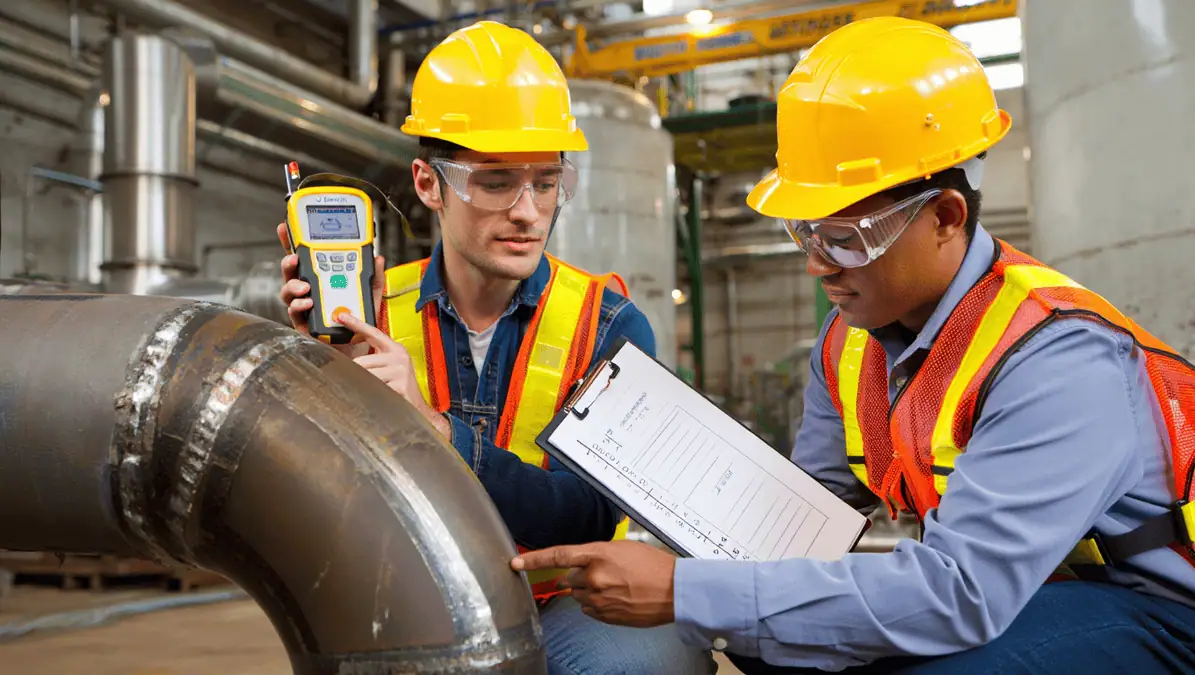
- Handheld portable gas detectors for spot checks and confined spaces
- Pressure drop testing to identify leaks in piping systems
- Visual inspections of valves, hoses, and connections
While these methods can help locate specific leak points, they rely on human presence and periodic checks, which increases the risk of delayed detection.
Automated Gas Detection Systems
Automated gas detection systems are the backbone of effective gas leak detection in commercial and industrial environments. These systems continuously monitor air quality and gas concentrations, providing real-time alerts when unsafe conditions arise.
Key components of automated systems include:
- Fixed gas detectors installed in strategic locations
- Control panels and logic controllers
- Audible and visual alarms
- Integration with building systems such as ventilation, shutdown valves, and emergency notifications
- Data logging and remote monitoring capabilities
Proper design and placement of sensors are critical to system effectiveness and must account for gas density, airflow patterns, and operational processes.
Sensor Technologies Used in Gas Leak Detection
Different sensor technologies are used to detect specific gases and concentration ranges. Selecting the right technology directly impacts reliability, accuracy, and cost of ownership.
Common sensor types include the following:
- Electrochemical sensors for toxic gases with high accuracy and selectivity
- Catalytic bead sensors for combustible gases in lower explosive ranges
- Infrared sensors for combustible gases and carbon dioxide, offering long life and stability
- Metal oxide semiconductor sensors for general gas detection applications
- Ultrasonic gas leak detectors that identify pressurized gas leaks by sound rather than concentration
Each technology has strengths and limitations, which is why customized system design is essential.
Importance of System Reliability and Redundancy
Reliability is a critical driver in gas detection system design. False alarms can disrupt operations, while missed detections can lead to catastrophic outcomes. High-quality systems are designed with reliability and redundancy in mind.
Best practices include:
- Using proven sensor technologies suited to the application
- Redundant sensors in high-risk areas
- Fail-safe system design that defaults to safe states
- Continuous system health monitoring
- Regular calibration and functional testing
A reliable system reduces nuisance alarms while ensuring rapid response to real hazards.
Cost of Ownership Considerations
When evaluating how to detect a gas leak, cost should be considered beyond initial installation. Total cost of ownership includes maintenance, calibration, sensor replacement, downtime, and compliance requirements.
Key cost factors include the following:
- Sensor lifespan and replacement intervals
- Calibration frequency and labor requirements
- System scalability and future expansion
- Integration with existing infrastructure
- Manufacturer support and availability of parts
Well-designed systems balance upfront investment with long-term operational efficiency and safety performance.
Equipment Lead Times and Project Planning
In commercial and industrial projects, equipment lead times can significantly impact schedules and budgets. Delays in sensor availability, control panels, or specialty components can postpone commissioning and occupancy.
Effective project planning involves:
- Selecting manufacturers with reliable supply chains
- Designing systems around readily available components when possible
- Coordinating detection system timelines with construction and commissioning phases
- Planning for future upgrades without major system overhauls
Experienced providers prioritize lead time management to keep projects on track.
Integration with SCADA, HMI, and Building Systems
Modern gas detection systems often integrate with SCADA and HMI platforms to provide centralized monitoring, data visualization, and control. Integration improves situational awareness and enables faster decision-making during incidents.
Benefits of integration include:
- Real-time status and alarm visibility
- Historical data trending and analysis
- Remote monitoring and diagnostics
- Automated responses such as ventilation activation or gas shutoff
- Improved compliance reporting
Integration should be carefully designed to ensure cybersecurity, reliability, and ease of use.
Maintenance, Calibration, and Ongoing Support
Detecting a gas leak does not end with system installation. Ongoing maintenance and calibration are essential to ensure sensors remain accurate and responsive over time.
A comprehensive maintenance program includes:
- Scheduled sensor calibration using the correct gases and tools
- Functional testing of alarms and interlocks
- Documentation for regulatory compliance
- Prompt repair or replacement of faulty components
- Access to trained technicians familiar with the specific system and gases
Consistent maintenance protects both safety and investment.
Regulatory Compliance and Inspections
Commercial and industrial gas detection systems must comply with applicable codes, standards, and authority requirements. These may include local fire codes, building codes, OSHA regulations, and industry-specific standards.
Compliance considerations include:
- Proper system design and documentation
- Acceptance testing and commissioning
- Regular inspections and audits
- Maintaining calibration and maintenance records
- Ensuring systems meet LEA and owner approval requirements
Working with an experienced provider helps ensure compliance from design through operation.
Partnering with Experts for Effective Gas Leak Detection
Given the complexity of commercial and industrial gas systems, partnering with specialists is often the most effective way to ensure safety and performance. Expert providers understand how to assess risks, select appropriate technologies, and design systems tailored to specific operational needs.
A trusted partner offers:
- Application-specific system design
- Expertise across multiple gas types and industries
- Integration with existing control systems
- Long-term support and service capabilities
- A commitment to safety, reliability, and performance
Choose MDC Systems, Inc. for Gas Life Safety Solutions
When it comes to how to detect a gas leak in commercial and industrial buildings, MDC Systems, Inc. delivers expertise, reliability, and peace of mind. At MDC Systems, Inc., we specialize in providing customized gas life safety systems designed to meet the unique needs of commercial and industrial businesses. With over 30 years of GLSS experience, we focus on best known methods, system reliability, cost of ownership, and equipment lead times to ensure every project is executed safely and efficiently. Based in San Jose, California, MDC Systems has served the greater Bay Area since 2010 and now supports clients throughout the entire State of California and across the United States. We are a trusted resource for GLSS, offering comprehensive expertise in design, system selection, I O functionality, SCADA, and HMI development. Our in-house and factory-trained technicians provide calibration and maintenance support using the specific gases and tools required for your system. We are fully licensed, bonded, and BBB-accredited with an A plus rating, and we offer free estimates and unparalleled customer service. Whether you need gas detection system design, engineering, testing, installation, or ongoing system management, MDC Systems has you covered. Contact us today to discuss your gas safety needs and discover how our customized solutions can help protect your people, operations, and future.