
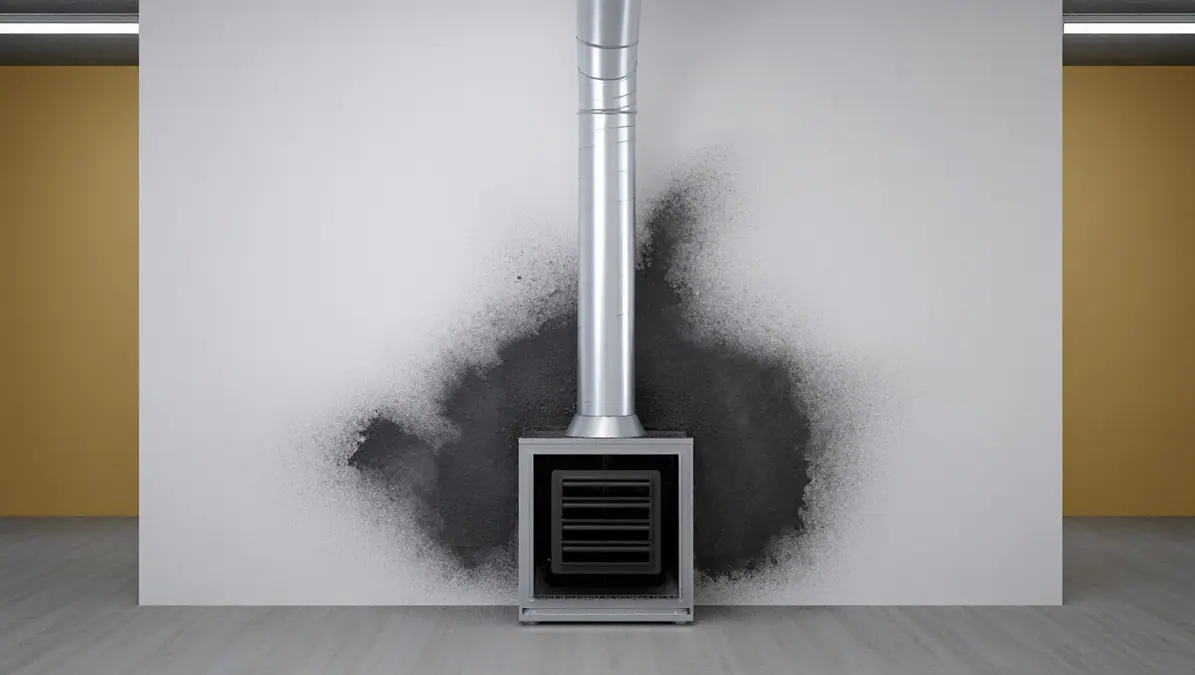
Gas leaks are among the most dangerous emergencies that can occur in commercial, industrial, and institutional environments. Whether your facility handles natural gas, toxic industrial gases, or combustible materials, the ability to recognize gas leak symptoms, both environmental and physical, is critical for maintaining a safe workplace. Even a minor leak can escalate quickly into a major hazard, threatening personnel safety, equipment integrity, and business continuity.
Understanding early warning signs, implementing strong detection systems, and ensuring ongoing monitoring are essential steps in preventing catastrophic events. Below, we explore the most common symptoms of gas leaks, what they mean for your building or facility, and how the right Gas Life Safety Systems (GLSS) can provide the protection your operations depend on.
Why Recognizing Gas Leak Symptoms Matters
Gas leaks often occur silently and invisibly. Many gases used in industrial and commercial applications are colorless, odorless, and undetectable without monitoring equipment. Even gases with strong odors may go unnoticed in large or ventilated spaces. When leaks occur, employees and building occupants have only moments to respond before conditions become dangerous.
Early recognition is essential because:
- Leaking gas can displace oxygen, leading to suffocation hazards.
- Combustible gases pose explosion and fire risks even at low concentrations.
- Toxic gases can cause severe health effects, sometimes before individuals even realize they have been exposed.
- Regulatory compliance requires proper detection, documentation, and mitigation systems.
For these reasons, relying on human detection alone is never enough. Still, knowing the symptoms empowers staff to respond more quickly and accurately when something goes wrong.
Environmental Symptoms of Gas Leaks
Gas leaks often reveal themselves through subtle changes in the environment. Being aware of these warning signs can make all the difference.
1. Unusual Odors
Some gases are intentionally treated with odorants for easier detection. Natural gas, for example, is commonly infused with mercaptan, giving it a sulfur or “rotten egg” smell.
If personnel detect:
- a sulfur-like odor,
- chemical-like scents,
- or unfamiliar smells near equipment or pipelines,
they should report and evacuate the area immediately.
2. Hissing or Whistling Sounds
A noticeable hissing noise near piping, valves, regulators, or equipment often signals a pressurized gas leak.
Even small leaks can emit sound as gas escapes through microscopic openings.

3. Dead or Discolored Vegetation
In outdoor settings, dying plants or patches of dead grass above underground lines can signal gas escaping beneath the surface. Indoor plants may also show signs of sudden wilting.
4. Fog, White Mist, or Vapor
Cryogenic or pressurized gases may create visible clouds when they leak. These clouds often appear white, fog-like, or billowy due to rapid temperature change and condensation.
5. Bubbles in Water
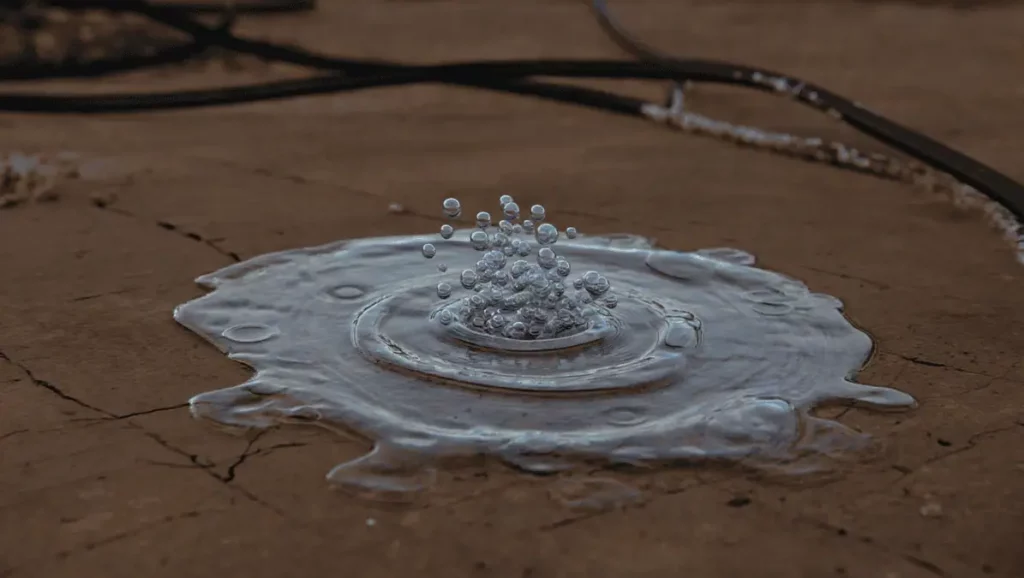
In facilities with water features, standing water, or wet utility trenches, bubbling can indicate gas seeping upward through the water.
6. Dust Blowing from the Ground
A steady stream of dust being blown into the air could indicate a high-pressure underground leak.
Physical Symptoms of Gas Exposure
Gas leak symptoms also appear in the body, often quickly and without warning. When workers experience these signs, it may indicate exposure to toxic or oxygen-depleting gases.

1. Headaches or Dizziness
Many gases, particularly carbon monoxide or VOCs, can cause neurological symptoms within minutes.
2. Nausea or Vomiting
Toxic gases may irritate internal systems, triggering gastrointestinal distress.
3. Confusion, Fatigue, or Weakness
Oxygen-deficient environments impair cognitive function and muscle performance.
4. Difficulty Breathing
As gas levels rise, available oxygen decreases, making breathing progressively harder.
5. Eye, Throat, or Skin Irritation
Ammonia, chlorine, and other corrosive gases can cause immediate discomfort.
6. Loss of Consciousness
In severe cases, particularly with CO, hydrogen sulfide, nitrogen displacement, or other hazardous gases, workers may collapse without warning.
These symptoms can appear individually or together, depending on the type of gas, concentration, and duration of exposure. Any occurrence should be treated as an emergency.
Common Industrial Gases That Pose Leak Risks
Different gases produce different hazards. Some are toxic, some are flammable, and some simply displace oxygen. Here are a few gases commonly monitored within GLSS systems:
- Methane & Propane: Highly combustible, requiring strict monitoring to prevent explosions.
- Carbon Monoxide (CO): Colorless and odorless, lethal even at moderate levels.
- Carbon Dioxide (CO₂): Non-flammable but dangerous in confined or low-ventilation spaces.
- Hydrogen Sulfide (H₂S): Toxic, corrosive, and deadly at high concentrations.
- Ammonia: Widely used in refrigeration; corrosive and irritating to eyes and lungs.
- Chlorine & Other Halogens: Industrial gases that can cause severe respiratory damage.
- Nitrogen & Argon: Asphyxiants that can silently reduce oxygen levels.
Each gas requires specialized detection technology and system design. That’s why a customized GLSS solution is essential; no two facilities face identical risks.
What Causes Gas Leaks?
Identifying the source of leaks helps prevent future incidents. Common causes include:
- Aging or corroded equipment
- Improper installation or maintenance
- Faulty valves, regulators, or fittings
- High pressure or rapid temperature fluctuations
- Accidental damage to pipes or cylinders
- Manufacturing defects in gas-handling equipment
Over time, environmental conditions, vibration, and repeated use can weaken seals and welds. Without continuous monitoring and routine service, leaks become inevitable.
Why Gas Detection Systems Are Critical
Human senses alone cannot reliably identify changing gas conditions. Even the most aware and well-trained staff cannot detect every type of gas leak, especially in loud, busy, or ventilated areas.
A professionally designed GLSS provides:
24/7 Monitoring
Sensors continuously scan the environment for dangerous gas concentrations, ensuring no hazard goes undetected.
Automated Alarms & Safety Responses
Systems trigger audible/visual alarms, ventilation activation, equipment shutdowns, or emergency notifications when thresholds are reached.
Regulatory Compliance
Authorities Having Jurisdiction (AHJs) often require certified detection systems in commercial and industrial environments.
Reduced Insurance Risk
Proper detection and monitoring can lower liability exposure and may improve insurance outcomes.
Protection of Personnel, Property, and Processes
Fast detection minimizes operational downtime and reduces the likelihood of costly incidents.
A well-designed GLSS is not just a safety benefit; it is an operational necessity.
Custom Solutions Matter: Why One-Size-Fits-All Systems Fall Short
Every facility has unique operating conditions, gas types, airflow patterns, and usage cycles. Cookie-cutter detection systems can leave blind spots or fail to integrate with existing infrastructure.
A tailored detection system considers:
- Gas type and properties
- Ventilation design
- Sensor placement based on gas behavior
- Integration with building controls and SCADA systems
- Facility-specific safety protocols
- Maintenance access and calibration cycles
- Equipment lead times and long-term cost of ownership
This is where specialized expertise makes all the difference.
Why Partner with MDC Systems, Inc. for Your Gas Life Safety System
At MDC Systems, Inc., we specialize in providing customized Gas Life Safety Systems (GLSS) designed to address the unique needs of commercial and industrial businesses. With over 30 years of GLSS experience, our team brings unmatched insight to every project, from initial design to long-term system management.
What Sets MDC Systems Apart
- Best-known methods, reliability, and cost of ownership are central to our engineering and design approach.
- We work with LEA- and owner-approved solutions, ensuring compliance and peace of mind.
- Based in San Jose, CA, we have proudly served the greater Bay Area since 2010, now extending service across the entire State of California and beyond.
- Our expertise includes system design, equipment selection, I/O functionality, SCADA integration, and HMI development.
- Our in-house and factory-trained technicians arrive equipped with the tools, knowledge, and gas-specific calibration equipment needed for proper service.
- We are fully licensed, bonded, and BBB-accredited with an A+ rating.
- Clients trust us because we deliver reliable, cost-effective, timely, and safety-driven solutions every time.
Whether you need engineering, testing, installation, calibration, or ongoing maintenance, MDC Systems is a trusted, proven partner for GLSS excellence.
Protect Your Facility Before a Gas Leak Becomes a Crisis
Recognizing gas leak symptoms is only the first step. True safety relies on having the right detection and life safety systems in place, designed specifically for your facility, installed by experts, and maintained with precision.
Don’t wait for a warning sign to tell you something is wrong.
Gas leaks are preventable, but only with proactive planning, professional system design, and long-term support.
Contact Us Today
If your facility needs a new gas detection system, an upgrade, or expert maintenance, MDC Systems, Inc. is here to help.
Contact us to request a free estimate or speak with a specialist today.
When it comes to gas safety, MDC Systems delivers peace of mind, affordability, and performance you can trust, no matter the size or complexity of your operation.