
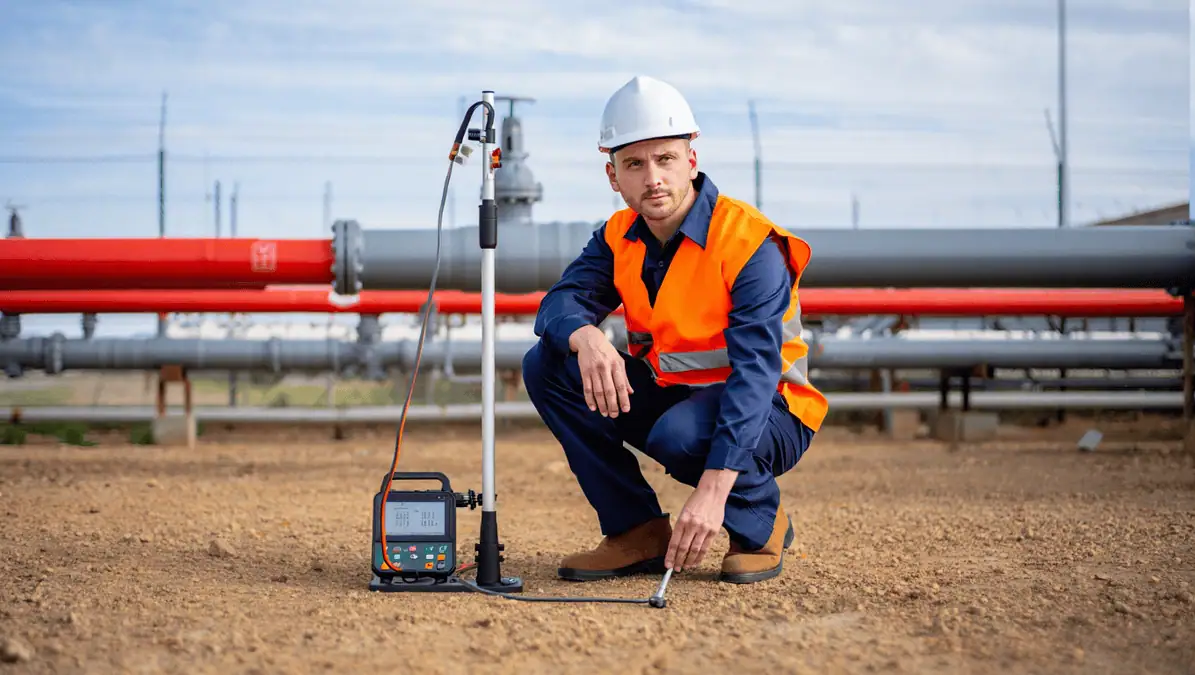
Gas leak detection is a critical component of safety, quality control, and operational efficiency in many industries. From manufacturing plants and chemical facilities to HVAC systems and pipelines, detecting leaks early can prevent serious hazards, product loss, environmental damage, and costly downtime. A common question among facility managers, engineers, and safety professionals is what gas is used for leak detection and why specific gases are chosen for this purpose.
Leak detection gases are carefully selected based on their chemical properties, safety profile, detectability, and compatibility with monitoring equipment. These gases help technicians identify leaks in systems that carry air, refrigerants, fuel gases, industrial gases, or other pressurized substances. By introducing a tracer gas or using naturally occurring gases already present in the system, professionals can pinpoint leaks quickly and accurately.
Why Gas Leak Detection Matters
Gas leaks can create serious risks across multiple industries. Even small leaks may lead to safety concerns, financial losses, or environmental hazards if they go unnoticed.
Proper leak detection is important for several reasons:
- Worker safety: Some gases are toxic, flammable, or asphyxiating.
- Regulatory compliance: Many industries must follow strict safety and environmental regulations.
- Operational efficiency: Leaks reduce system performance and increase operating costs.
- Environmental protection: Certain gases contribute to pollution or greenhouse gas emissions.
- Asset protection: Undetected leaks can damage equipment and infrastructure.
Because of these risks, organizations rely on specialized detection gases and monitoring systems to ensure their facilities operate safely and efficiently.
What Gas Is Used for Leak Detection?
Several different gases are used for leak detection depending on the application, system design, and sensitivity required. The most commonly used gases include:
Each gas offers unique advantages that make it suitable for specific detection methods.
Helium: The Gold Standard for Leak Detection
Helium is widely considered the most effective tracer gas for leak detection, especially in high-precision environments such as semiconductor manufacturing, aerospace systems, and vacuum equipment.
Why Helium Is Used
Helium has several properties that make it ideal for detecting leaks:
- Extremely small atomic size, allowing it to pass through tiny leaks
- Chemically inert, meaning it does not react with most materials
- Non-toxic and non-flammable
- Naturally present in low concentrations in the atmosphere
- Highly detectable using mass spectrometer leak detectors
Because helium molecules are very small, they can escape through extremely small openings that other gases cannot pass through. This allows technicians to detect microscopic leaks with exceptional accuracy.
Common Applications
Helium leak detection is commonly used in:
- Semiconductor manufacturing
- Aerospace components
- Medical device manufacturing
- Vacuum systems
- High-pressure vessels
While helium detection equipment can be expensive, it offers some of the highest accuracy available.
Hydrogen: A Cost-Effective Alternative
Hydrogen is another widely used tracer gas for leak detection. It is often mixed with nitrogen to create a safe and effective detection gas.
Typical Hydrogen Detection Mixture
The most common tracer gas mixture used is:
5% hydrogen and 95% nitrogen
This mixture is non-flammable while still providing strong detection capabilities.
Advantages of Hydrogen Leak Detection
Hydrogen offers several benefits:
- Extremely small molecular size
- High detectability with specialized sensors
- Lower cost compared to helium
- Fast response during leak testing
Hydrogen sensors can detect leaks very quickly, making them ideal for industrial maintenance and testing.
Common Uses
Hydrogen-based detection is often used for:
- Automotive components
- Air conditioning systems
- Heat exchangers
- Industrial piping
- Fuel systems
Nitrogen for Pressure Testing and Leak Detection
Nitrogen is commonly used in leak detection testing because it is inexpensive, inert, and readily available.
Although nitrogen itself is not always used as a tracer gas, it plays a major role in pressure testing.
Why Nitrogen Is Used
Nitrogen is favored because it is:
- Non-reactive
- Non-flammable
- Widely available
- Affordable
During testing, technicians pressurize a system with nitrogen and monitor pressure changes. A drop in pressure may indicate a leak.
Limitations
While nitrogen is useful for detecting the presence of a leak, it does not help technicians easily locate the exact leak point. For this reason, it is often combined with other detection methods.
Sulfur Hexafluoride (SF6)
Sulfur hexafluoride, commonly called SF6, is another gas used in specialized leak detection applications.
Key Properties
SF6 is known for its:
- Extremely high detectability
- Stability
- Non-flammability
Because it is heavier than air, it can accumulate near leak points and become easier to detect.
Where It Is Used
SF6 is commonly used in:
- High-voltage electrical equipment
- Power distribution systems
- Industrial equipment testing
However, SF6 is a potent greenhouse gas, so many industries are reducing its use and switching to alternative detection methods when possible.
Refrigerant Gases
In HVAC and refrigeration systems, technicians often detect leaks by monitoring refrigerant gases themselves.
Common refrigerants include:
- R134a
- R410A
- R22 (in older systems)
Electronic refrigerant detectors can identify extremely small concentrations of these gases.
Typical Detection Methods
HVAC professionals may use:
- Electronic leak detectors
- Ultrasonic leak detectors
- UV dye testing
- Soap bubble solutions
Detecting refrigerant leaks early helps prevent energy loss and equipment damage.
Methane and Natural Gas Detection
Natural gas and methane leak detection is critical in pipeline systems, energy infrastructure, and building safety systems.
Methane is the primary component of natural gas and is highly flammable. Early detection is essential to prevent explosions or environmental harm.
Detection Methods
Common methane leak detection tools include:
- Infrared gas detectors
- Combustible gas sensors
- Laser-based methane detectors
- Fixed gas monitoring systems
Many facilities rely on permanent monitoring systems to continuously detect these gases.
Common Leak Detection Methods
Gas leak detection does not rely on a single approach. Instead, professionals use a combination of technologies depending on the system being tested.
Tracer Gas Testing
Tracer gas testing involves injecting a detectable gas into a system and using sensors to identify where it escapes.
Common tracer gases include:
- Helium
- Hydrogen
- SF6
Electronic Gas Detection
Electronic sensors can detect trace concentrations of gases in the air.
These systems are used for:
- Continuous monitoring
- Safety alarms
- Industrial gas systems
Ultrasonic Leak Detection
Ultrasonic detectors identify high-frequency sound waves generated by pressurized gas escaping from a leak.
Advantages include:
- Works without introducing tracer gases
- Effective in noisy environments
- Useful for compressed air systems
Bubble Testing
Soap bubble solutions remain one of the simplest leak detection methods.
When applied to joints or connections, bubbles form where gas escapes.
While simple, this method is best suited for visible and accessible areas.
Factors That Determine the Best Gas for Leak Detection
Choosing the right gas for leak detection depends on several key factors.
Sensitivity Requirements
Some industries require the detection of extremely small leaks. Helium or hydrogen may be necessary in these cases.
System Compatibility
The tracer gas must not react with materials in the system.
Safety Considerations
Non-flammable and non-toxic gases are preferred for most industrial applications.
Cost and Availability
Budget constraints and supply availability also influence the choice of detection gas.
Environmental Impact
Some gases have a higher environmental footprint than others. Many organizations aim to minimize emissions and environmental harm.
The Importance of Professional Gas Detection Systems
While handheld detectors and manual methods can identify leaks, many facilities require permanent monitoring systems to maintain safety and compliance.
Gas Life Safety Systems (GLSS) continuously monitor environments for hazardous gases and automatically trigger alarms, ventilation, or system shutdowns when dangerous levels are detected.
These systems are commonly installed in:
- Semiconductor manufacturing facilities
- Chemical plants
- Laboratories
- Industrial manufacturing sites
- Mechanical equipment rooms
- Gas storage areas
A properly designed GLSS provides real-time monitoring, system integration, and long-term reliability.
FAQs
What is the most common gas used for leak detection?
Helium is widely considered the most effective tracer gas for leak detection due to its small molecular size and high detectability.
Is hydrogen safe for leak detection?
Yes. Hydrogen is typically used in a safe mixture of 5% hydrogen and 95% nitrogen, which is non-flammable and safe for leak testing.
Why is helium better than other gases?
Helium atoms are extremely small, allowing them to escape through tiny leaks that other gases cannot pass through.
Can nitrogen detect leaks?
Nitrogen is often used for pressure testing, but it usually indicates the presence of a leak rather than the exact location.
What industries rely on gas leak detection?
Industries such as semiconductor manufacturing, chemical processing, HVAC, energy, aerospace, and pharmaceuticals rely heavily on gas leak detection systems.
How accurate are modern leak detection systems?
Modern detection systems can identify extremely small leaks, sometimes as small as one part per billion, depending on the equipment used.
Ensure Reliable Gas Detection with MDC Systems, Inc.
Effective gas leak detection is essential for maintaining safety, compliance, and operational efficiency. Whether a facility uses helium, hydrogen, nitrogen, or other tracer gases, the reliability of the detection system itself is just as important as the method used.
At MDC Systems, Inc., we specialize in delivering customized Gas Life Safety Systems (GLSS) designed to meet the unique requirements of commercial and industrial facilities. With more than 30 years of GLSS experience, our team focuses on proven methods, system reliability, and cost-effective solutions that protect both personnel and infrastructure.
Based in San Jose, California, MDC Systems has proudly served the greater Bay Area since 2010 and now supports clients across the entire state of California and throughout the United States. Our expertise includes:
- Gas detection system design and engineering
- System selection and configuration
- I/O functionality integration
- SCADA and HMI development
- System testing and installation
- Calibration and ongoing maintenance support
Our in-house and factory-trained technicians work with the specific gases and tools required to ensure your system performs reliably and safely. Every project is designed around the unique challenges of each client, ensuring a tailored solution that prioritizes safety, compliance, and performance.
MDC Systems is fully licensed, bonded, and BBB-accredited with an A+ rating, and we take pride in providing dependable systems our clients can trust.
If you need gas detection system design, engineering, installation, or long-term system management, MDC Systems has the expertise and resources to help.
Contact us today for a free estimate and discover how our customized Gas Life Safety Systems can deliver the safety, reliability, and peace of mind your facility demands.